









*How Ogunlade’s Ward Tour as Party Chairman Built Bridges and Strengthened Party Unity Before Politics Got Tough || By Alade Toheeb*
Long before political disagreements became more pronounced and the political atmosphere grew increasingly competitive, Hon. George Gbadegesin Ogunlade, during his time as party chairman, introduced a ward tour initiative that placed grassroots engagement at the centre of his leadership.
By taking the leadership of the party directly to the wards, Ogunlade demonstrated that political strength is built through relationships, communication and trust, not just positions.
In politics, it is easy to remember the big rallies, major appointments and high-level meetings. What is often overlooked, however, is the quieter work of building relationships with party members at the grassroots.
That was the thinking behind Ogunlade’s ward tour initiative.
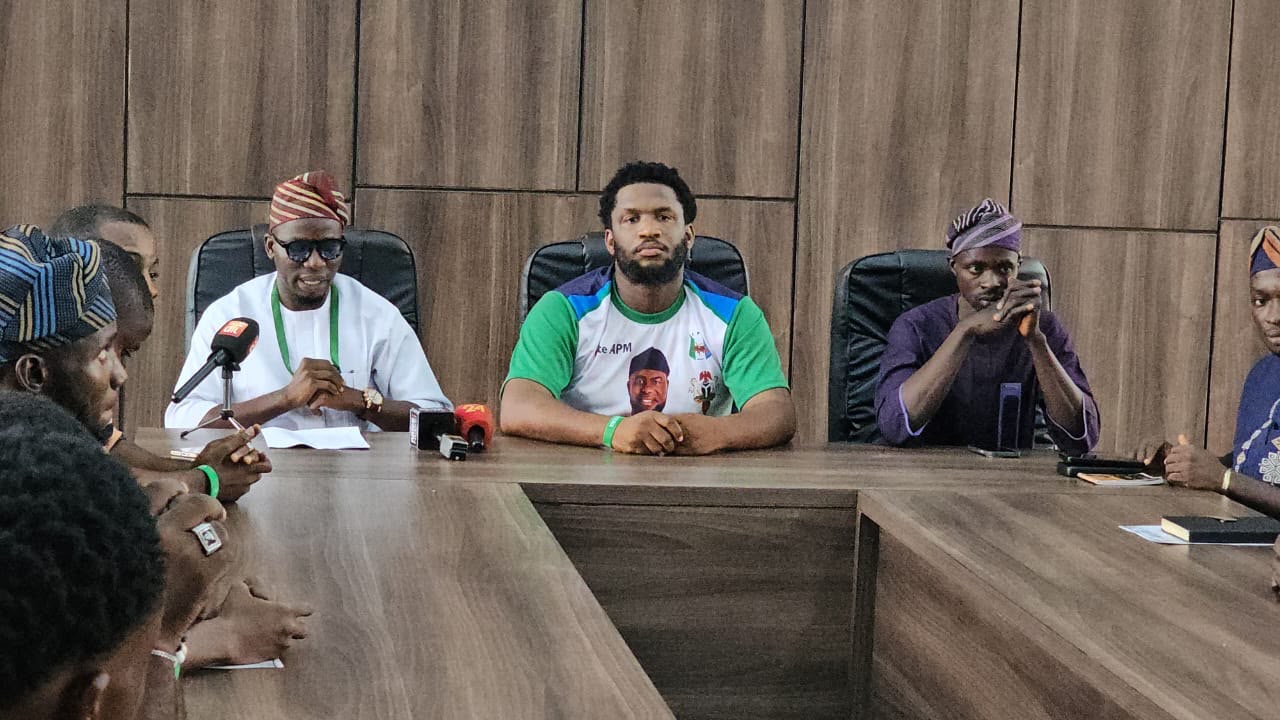
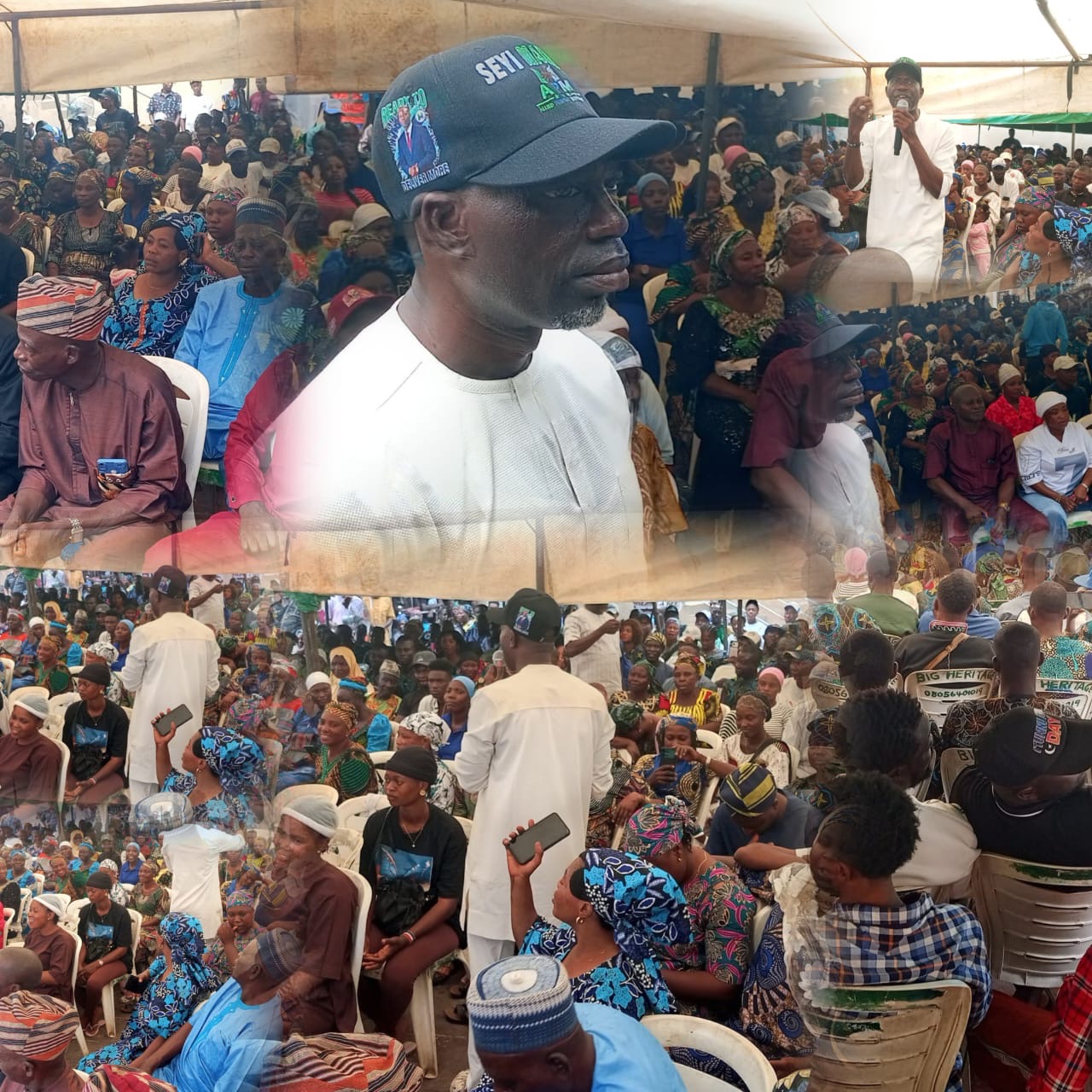
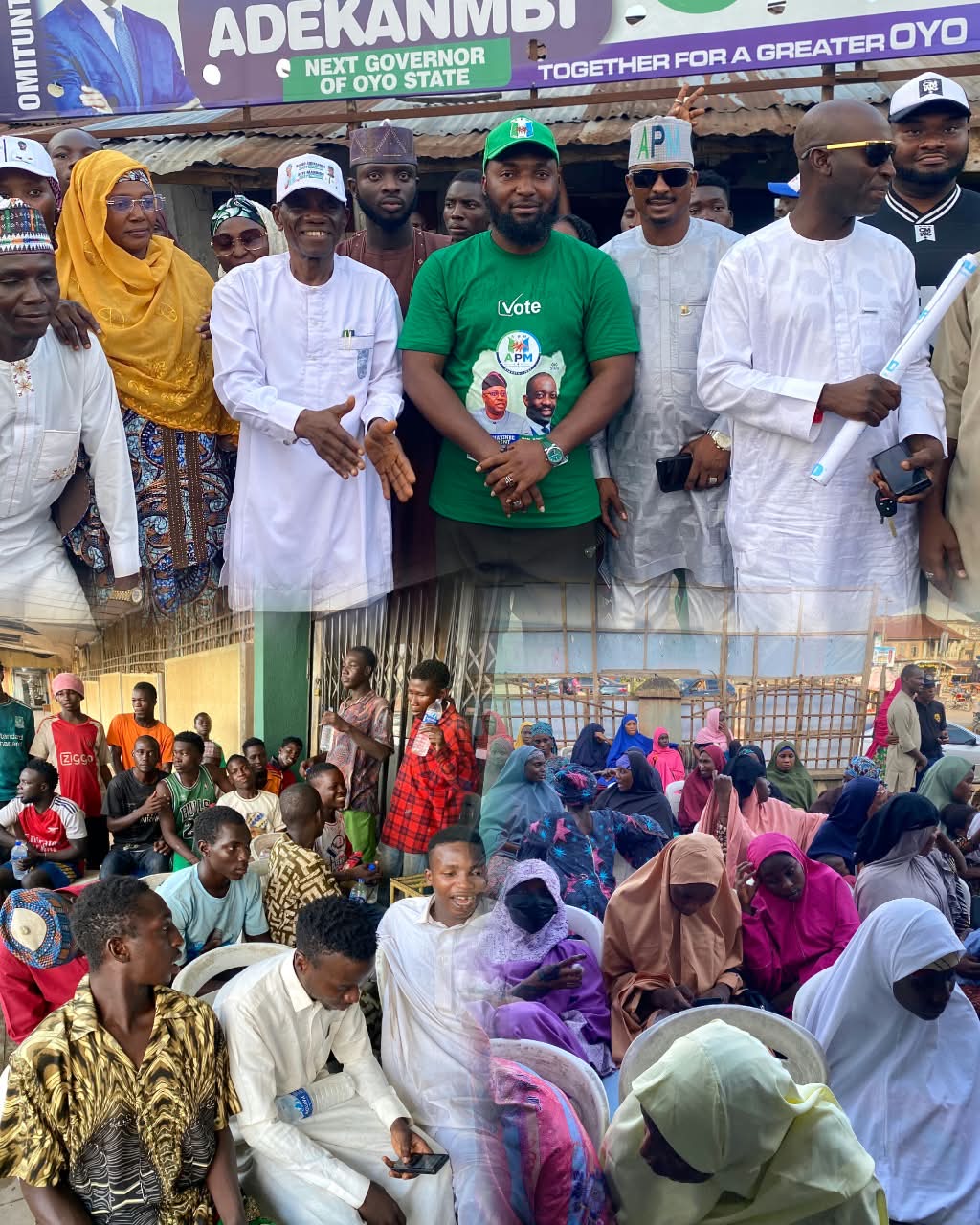
Rather than limiting political engagement to meetings with prominent figures, he took the conversation directly to the wards. Party members had the opportunity to interact with their chairman, express their concerns, offer suggestions and discuss issues affecting the political family.
It was a simple idea, but its significance was much bigger.
Go to the people. Listen to them. Understand their concerns. Build relationships.
That was the foundation of the initiative.
*THE GRASSROOTS CANNOT BE IGNORED*
Every political organisation ultimately depends on its grassroots structure.
The ward is where party members mobilise, communicate the party’s message and maintain its presence within their communities.
As party chairman, Ogunlade understood that the grassroots should not only be remembered when elections were approaching.
His ward tour brought leadership closer to party members and created a stronger sense of inclusion. It gave grassroots members an opportunity to participate in the conversation rather than simply remain spectators in political affairs.
People do not only want leaders who speak to them.
They want leaders who listen to them.
*LEADERSHIP DURING DIFFICULT MOMENTS*
Political organisations, like every human institution, will experience disagreements.
Different interests will emerge. Opinions will differ. Political ambitions will sometimes collide.
The true test of leadership, therefore, is not what happens when everyone agrees. It is how relationships are managed when the political environment becomes difficult.
Ogunlade’s ward tour initiative created an avenue for engagement, dialogue and interaction before political circumstances became more challenging.
Rather than waiting for disagreements to deepen, the initiative focused on maintaining communication and strengthening relationships within the political family.
That approach carries an important lesson: today’s disagreement should not automatically become tomorrow’s permanent division.
*POLITICS IS ALSO ABOUT LEGACY*
Public office is temporary. Political positions change hands. Electoral cycles come and go.
What remains is the legacy a leader leaves behind.
Ogunlade’s ward tour initiative, introduced during his period as party chairman, remains an example of grassroots-oriented political engagement that can help strengthen relationships within a political structure.
Leadership should ultimately be measured not only by the position occupied, but by what is built, strengthened and passed on to others.
*BEFORE THE POLITICS GOT TOUGH*
Perhaps the most important part of the story is its timing.
The ward tour initiative came before the politics became tough.
It was not merely a reaction to political tension. It was an effort to strengthen relationships and bring party members closer together before difficult moments emerged.
That is the importance of grassroots engagement.
When relationships are deliberately built during peaceful periods, they become valuable when challenges eventually arise.
When leaders take time to know their people, listen to them and engage them directly, it becomes easier to preserve unity when political circumstances become complicated.
The strength of a political organisation is therefore not measured only by how loudly it campaigns during an election.
It is also measured by how well its members trust one another, how effectively its leaders communicate and how capable the structure is of remaining united when tested.
*THE POLITICS OF BEING PRESENT*
Ogunlade’s ward tour initiative represented a simple philosophy of leadership during his time as party chairman:
Be present.
Be present with the people.
Be accessible when they have concerns.
Be willing to listen when opinions differ.
And, most importantly, be committed to strengthening the larger political family.
That is the difference between occupying a position and exercising leadership.
Positions may come with titles, but leadership is earned through relationships.
And sometimes, the most important political work is the work done quietly, ward by ward, person by person, long before the politics gets tough.