







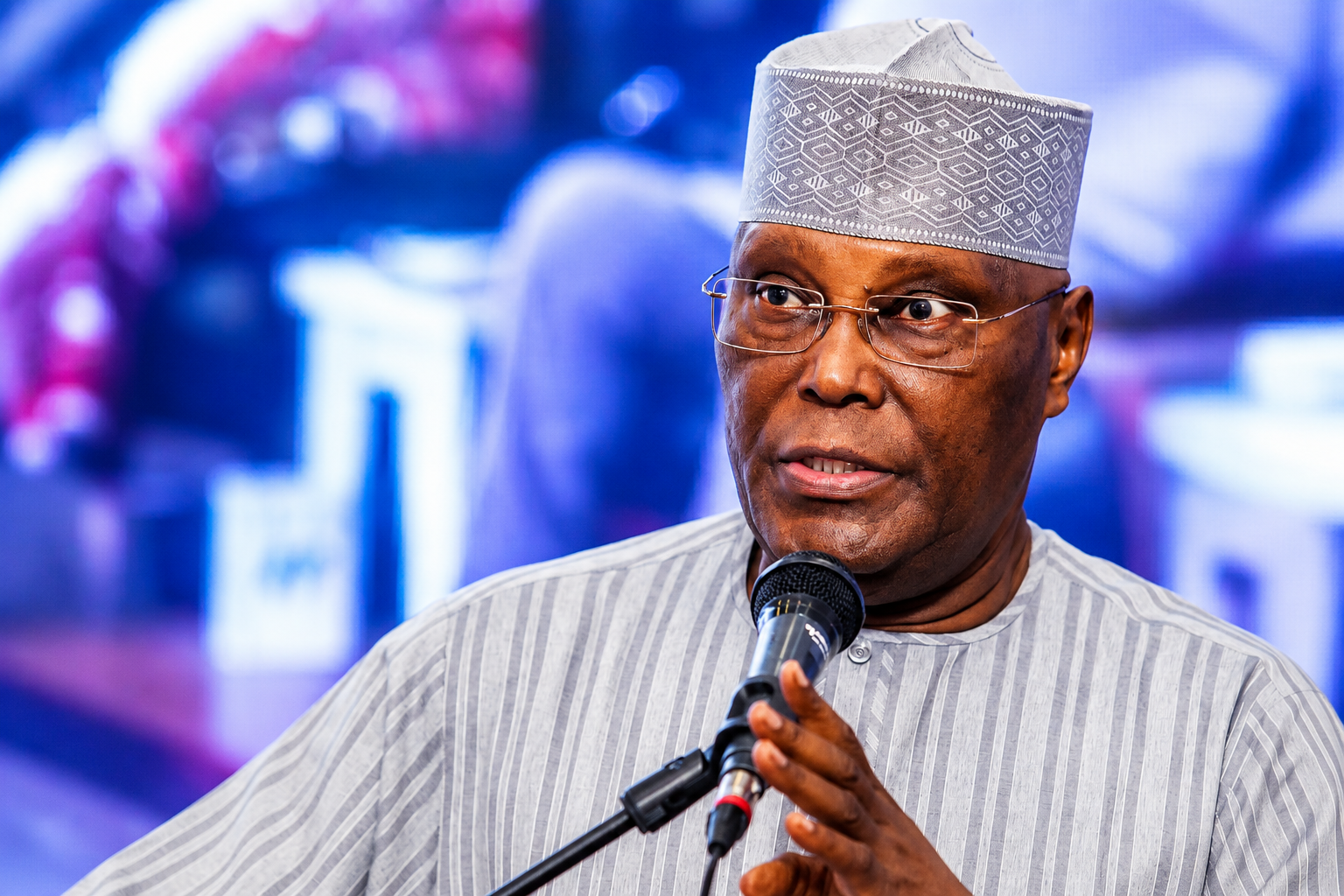



At 27 Years of Democracy, Oyo Deputy Gov Calls for Authority Over Power
*…Cites Makinde, Bauchi Govs for Rejecting Defection to APC*
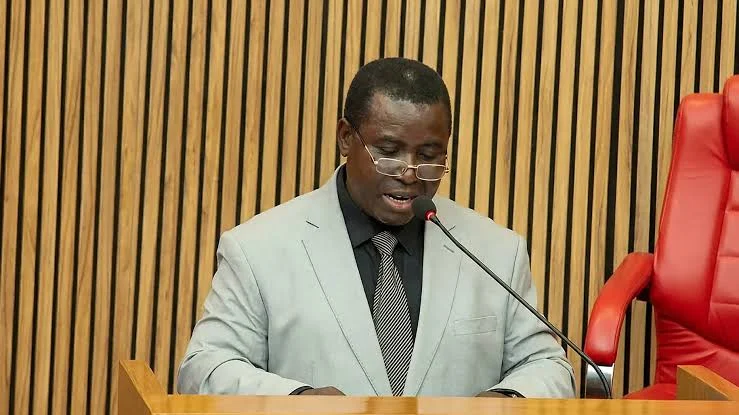
Oyo State Deputy Governor, Barr. Abdul-Raheem Adebayo Lawal, has lamented that the current federal administration has weakened democracy in Nigeria, outlining measures for improved leadership and governance.
He said the spate of defections from opposition parties to the ruling APC are not driven by ideology, but are “preemptive, calculated moves by political actors seeking protection, a guaranteed ticket, or access to power” in a system where party loyalty offers little security.
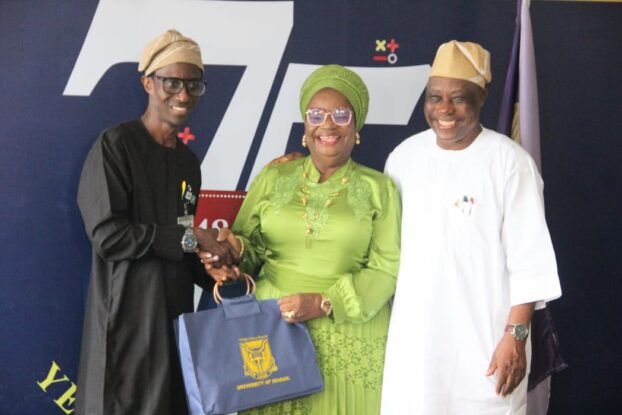
Barr. Lawal, who graced the occasion alongside his wife, Chief (Mrs) Ajibola Lawal, stated this on Wednesday while delivering a paper titled _“27 Years of Democracy In Nigeria: Any Lessons Learned In Leadership And Governance”_ at the Great Independence Hall, University of Ibadan.
The Deputy Governor noted that as of July 2026, at least 12 sitting PDP governors had defected to the APC. He cited what played out at the PDP convention at Adamasingba Stadium, Ibadan, where the convention chairman, Alhaji Ahmadu Fintirii, also defected to the APC, as evidence of the negative impact on democratic practice.
“These guardrails, according to him, are weakening democratic global best practices. The danger is not only that elections will become less competitive, but they are growing more volatile.
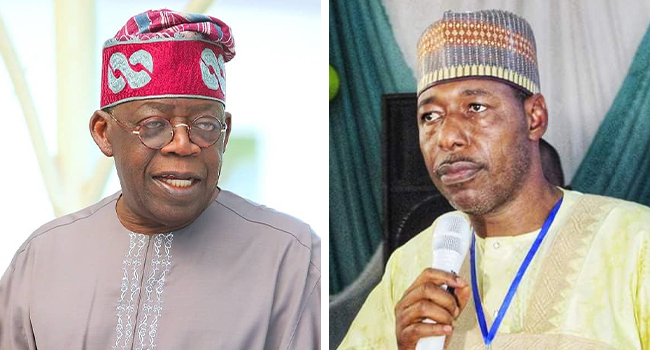
Barr. Lawal lauded Governor Seyi Makinde for his “steadfastness and commitment to democratic values,” noting that despite pressure in the last few months, Governor Makinde and the Bauchi State Governor stood their ground and refused to defect to the ruling party.
He said: “Political parties in the Fourth Republic have ceased to function as platforms for ideas and policy. Instead, they have become temporary vehicles for electoral contestation, negotiation spaces where tickets are traded and power is redistributed among elites. In such a system, consistency is punished, while opportunism is rewarded”.
Barr. Lawal added that the pattern of defections since 2015, and especially after the 2023 elections, has been largely one-way traffic into the ruling party.
Despite the challenges, he submitted that civilian government remains better than military rule, saying “Nothing is better than freedom while referencing a recent debate at the Technical University where a lecturer argued that military rule was better than civil administration.
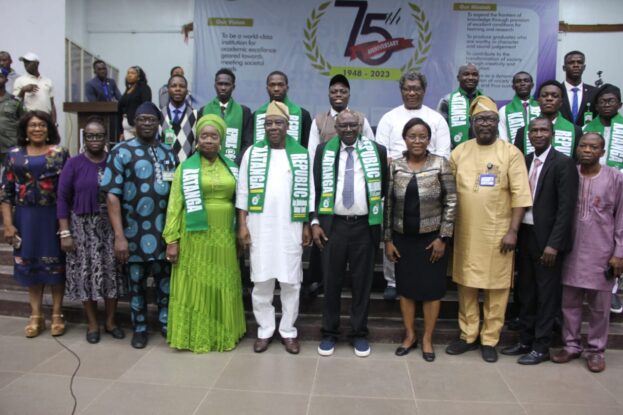
During his presentation, Barr. Lawal traced his personal history to Independence Hall, UI, where he was allocated Room B65 in 1975. “Today we gather to examine a larger complex ‘hall’ of residence: the Federal Republic of Nigeria since the beginning of this 4th Republic,” he said.
He argued that Nigeria’s democratic problem is “not a problem of structure alone, but primarily a problem of the human will” — the will of leaders to serve and the will of citizens to demand accountability.
He cited the erosion of public trust, noting that the 2026 Social Cohesion Report ranked the National Assembly as the least trusted institution with 77% distrust, followed by the judiciary at 73% and the presidency at 72%.
Barr. Lawal also faulted the “judicialization of party politics” and the exploitation of Section 14(3) of the Constitution on federal character for patronage. He listed problematic sections of the Electoral Act 2026, including Sections 60(3), 83(5) and 138(1), that require amendment.
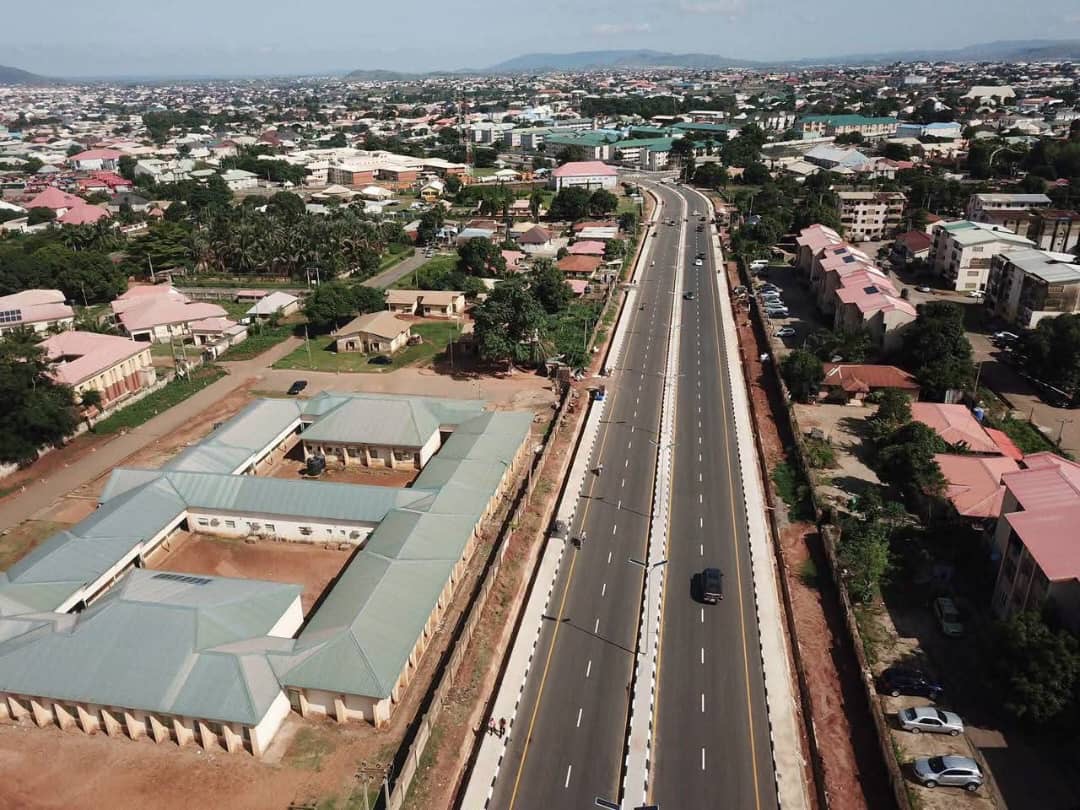
Citing Oyo State under Gov. Makinde, Barr. Lawal said leadership must translate political freedom to economic security. He listed achievements of the Makinde led administration in the last seven years including road connectivity across the five zones, PHCs in all 351 wards, and new agencies such as the Rule of Law Enforcement Authority and the Anti-Corruption Agency.
He said: “Democratic government must yield tangible democracy dividends. If leadership cannot translate political freedom to economic security, then the legitimacy of the system itself begins to erode.”
The Deputy Governor however recommended 10 steps including: embracing authority over power, prioritizing national interest, strengthening institutional independence, restoring internal party democracy, and increasing voter participation as a solution to good leadership and governance.
Earlier in his remarks, the UI Vice Chancellor, Prof. Kayode Adebowale, said the Deputy Governor’s visit showed his pride in his alma mater. The Dean of Students Affairs also commended Lawal, noting he was in Room B65 with Matric No. 14660 in 1975.
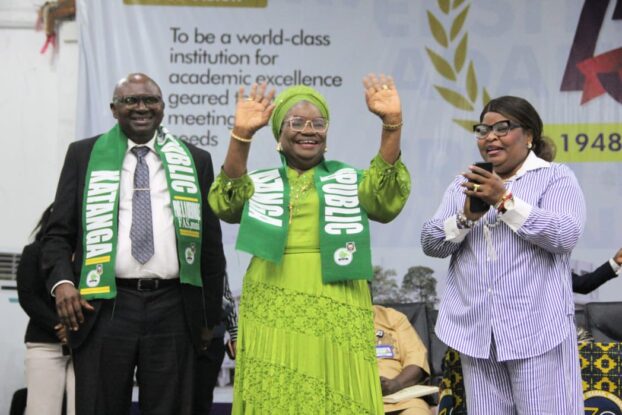
The event featured awards, including the decoration of the Deputy Governor’s wife, Chief Mrs. Ajibola Lawal, as “Lone Katangress,” and a Distinguished Alumnus Award for the Deputy Governor.
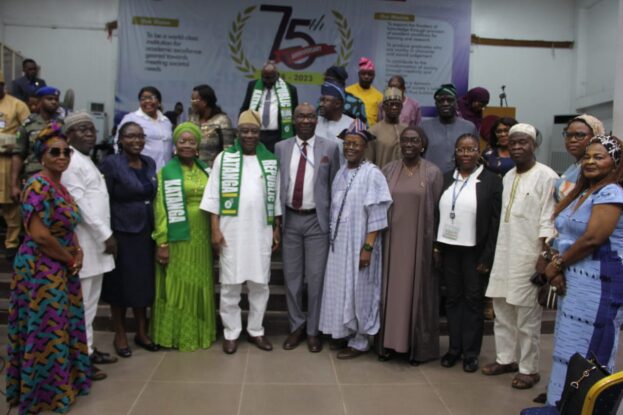
Dignitaries on his entourage included the Head of Service, Dr. Ayobami Olatunbosun; Commissioners for Women Affairs, Health, Trade and Investment, Budget, and Lands; and other government officials.
Also were family and friends, socio cultural organisations, religious leaders, political leaders, captains of industries, students leaders, and a host of others.