




2027: Oyo Voters Embrace New Ideas, Fresh Energy and Foresight in Seun Ashamu || By Opeyemi Rasheed
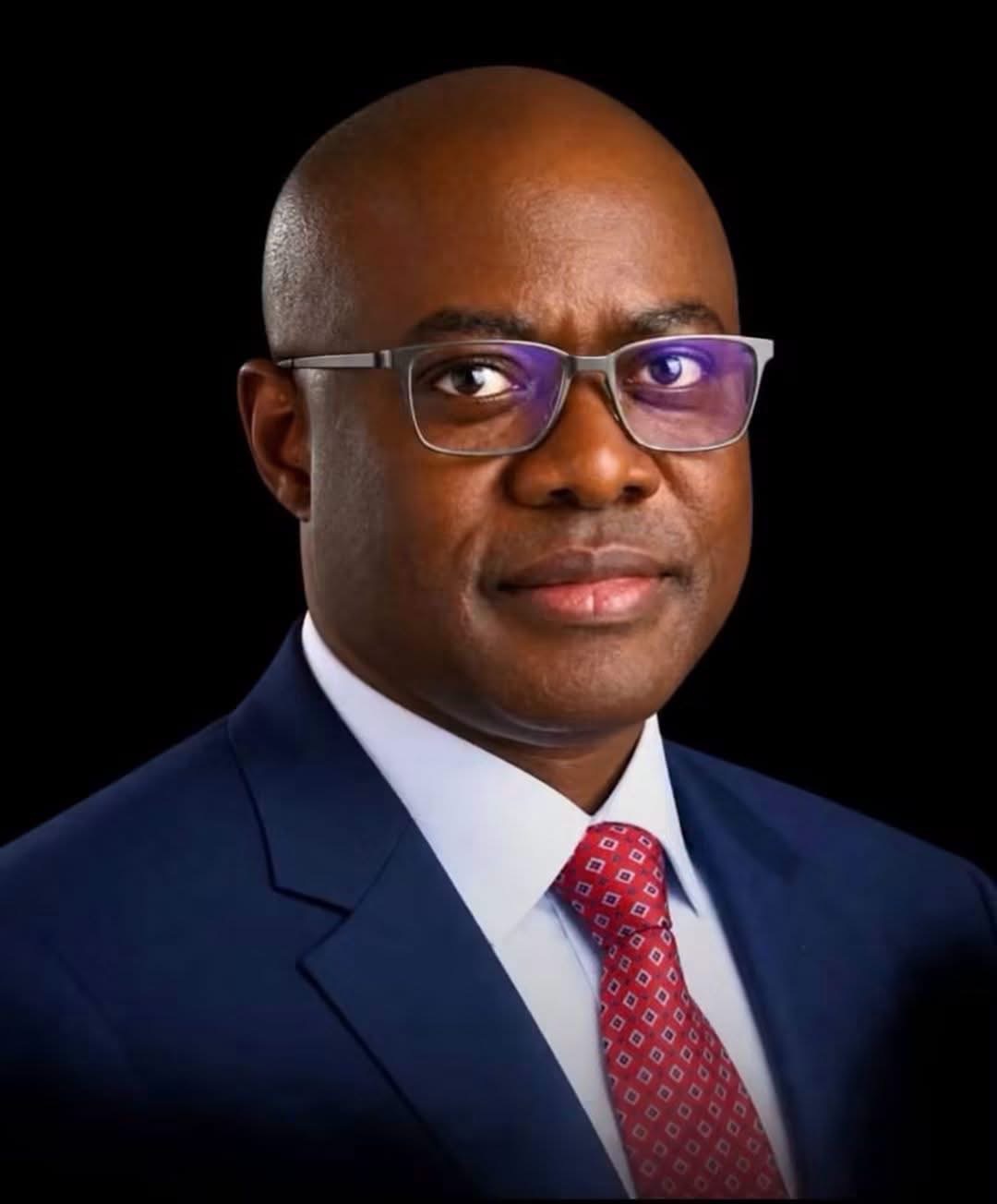
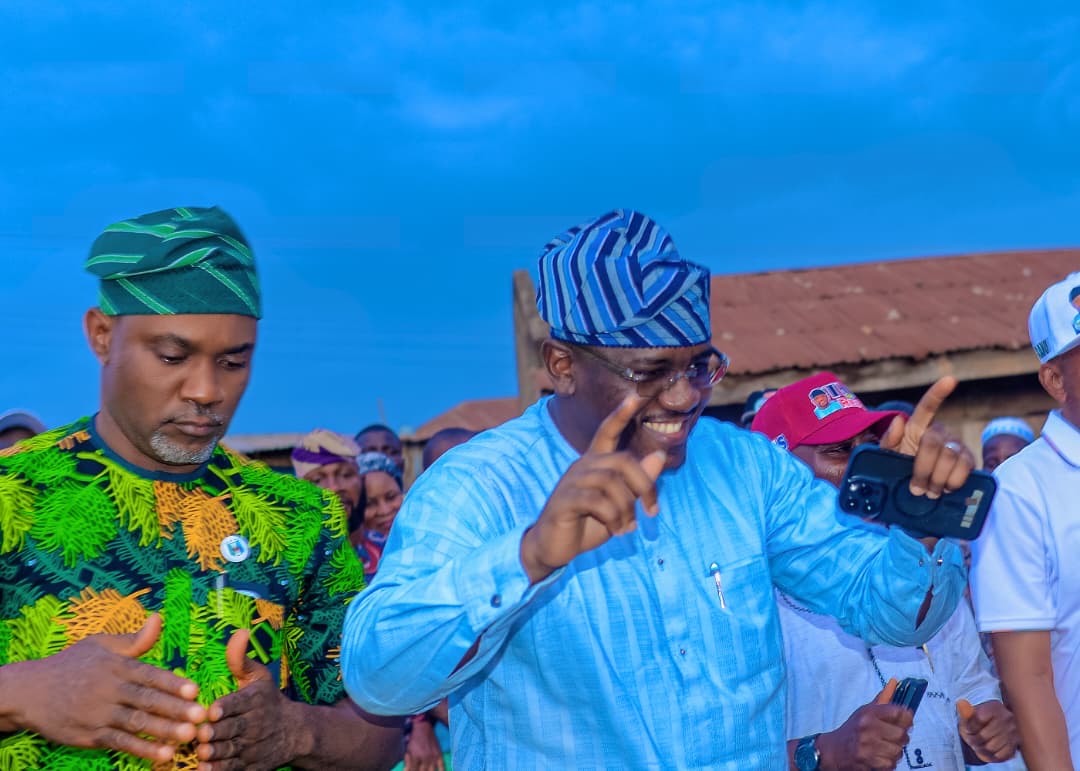
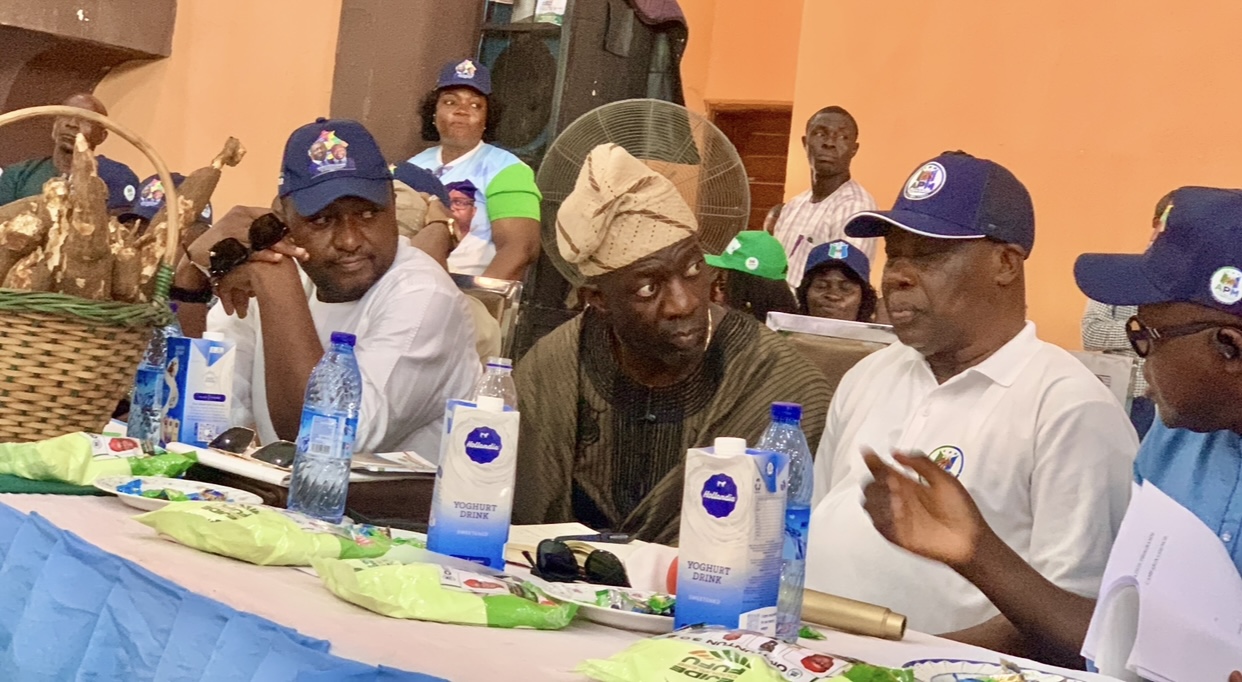
As the countdown to the 2027 general elections gathers momentum, the political conversation in Oyo Federal Constituency is increasingly centred on the need for purposeful representation, fresh ideas and leadership that can translate public expectations into meaningful progress. Across Afijio, Atiba, Oyo East and Oyo West, Barrister Temilolu Nurudeen Ashamu, popularly known as Seun TNA, the Allied Peoples Movement (APM) candidate for the House of Representatives, is building his political proposition around grassroots engagement, economic empowerment, inclusive leadership and investment in human potential. His emerging message is that representation should go beyond occupying public office to connecting with the people, understanding their challenges and creating opportunities for community development.
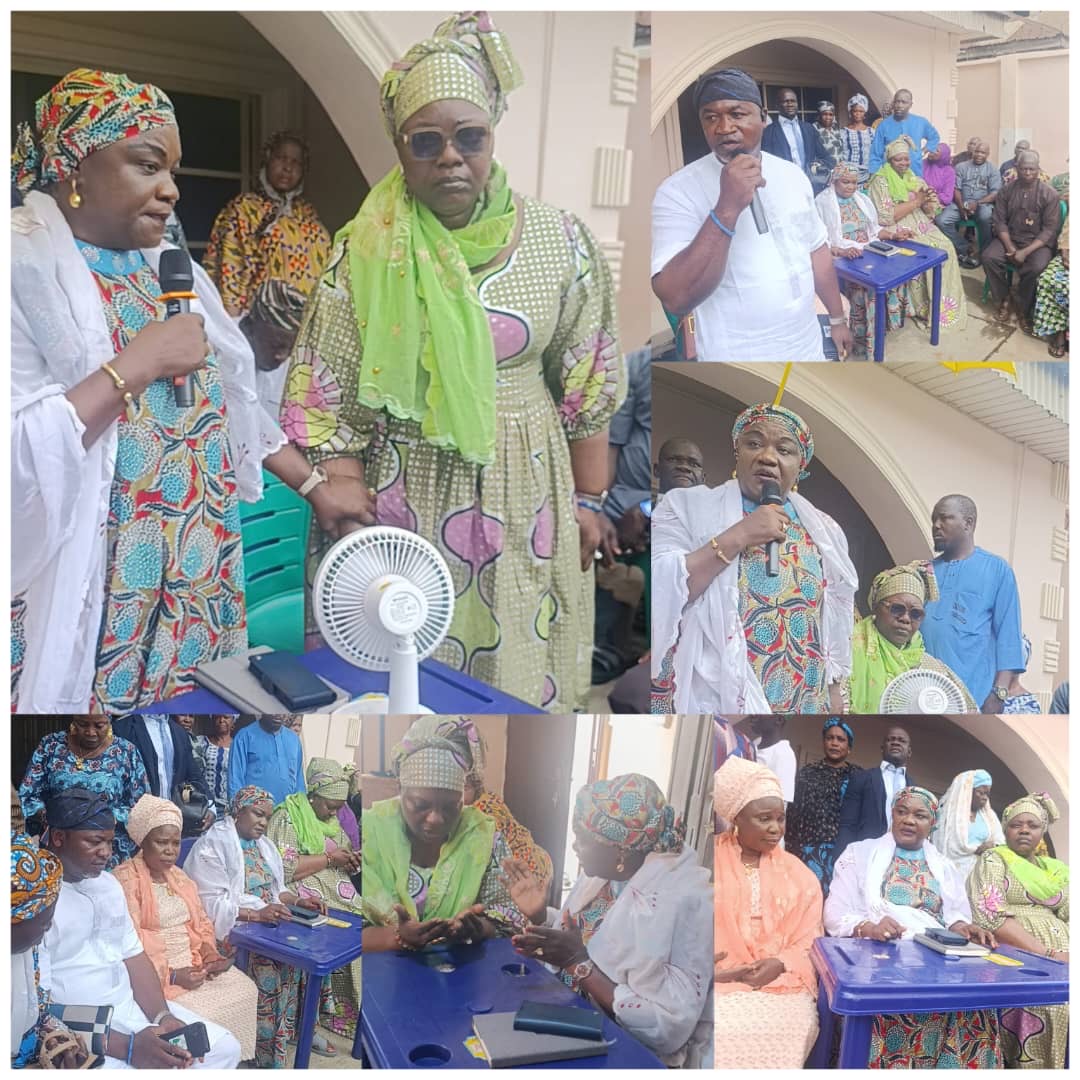
Ashamu’s recent engagements across the constituency reflect this approach. On October 10, 2026, his campaign council announced donations of ₦5.5 million each to Irewole/Irepo and Folorunso communities in Mogaji, Oyo West Local Government Area, alongside an additional ₦1 million for a grassroots organisation associated with Surveyor Rasheed Oyekalu, bringing the total support announced to ₦12 million. The intervention followed discussions around electricity infrastructure and other community needs. On the same day, the campaign council announced a ₦5 million contribution towards the proposed 500-seater community hall of the Oyo Igbo Community at the Federal School of Surveying, Oyo. Beyond the financial commitments, these engagements underscore the importance of community infrastructure, peaceful coexistence and inclusive development in a constituency enriched by diverse cultural and economic interests.
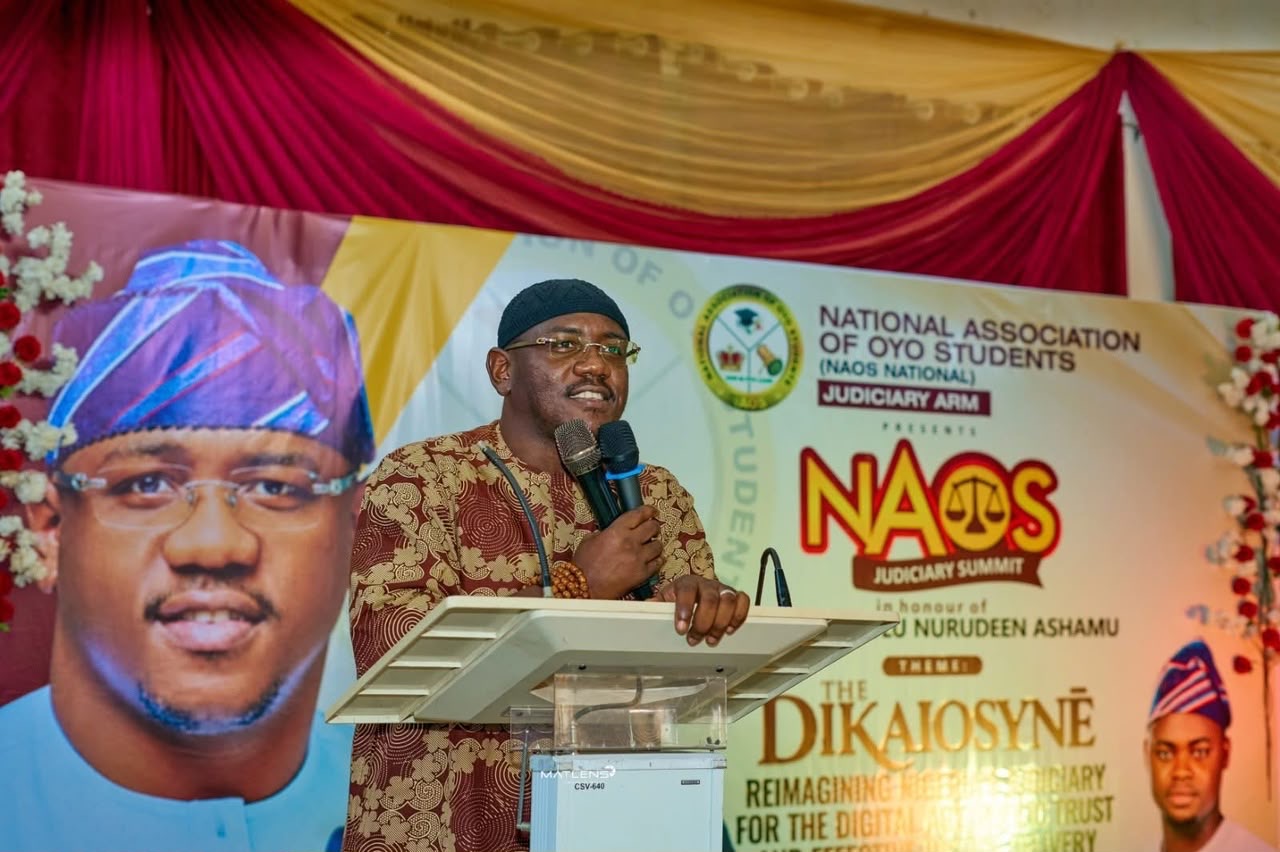
His engagement with young people has equally highlighted the human-development dimension of his ambition. On October 15, Ashamu was honoured at the 2026 National Judiciary Summit organised by the Judiciary Arm of the National Association of Oyo Students (NAOS National), where discussions focused on strengthening Nigeria’s justice system, building public trust and embracing technological innovation. His message to students and young professionals emphasised integrity, discipline, continuous learning and responsible leadership.
Meanwhile, his economic empowerment initiatives have placed traders, market associations and agribusiness participants at the centre of his grassroots activities. On October 18, 60 traders at Ashamu Market in Kosobo reportedly benefited from a ₦6 million intervention, following an earlier ₦30 million support initiative for market associations under the “Oniseowo, Onisowo” platform. More than 200 participants in an agribusiness empowerment and training programme at Fashola Farm Settlement were also reportedly allocated ₦50,000 each. Together, these three initiatives account for approximately ₦46 million in reported support, excluding other assistance to groups such as sawmillers.
For a constituency where traders need working capital, farmers seek better opportunities and young people aspire to employment and entrepreneurship, such initiatives bring economic empowerment into sharper focus. Small businesses and agricultural enterprises are essential to local prosperity, but lasting development requires more than financial assistance. It also demands improved infrastructure, access to markets, skills development and policies that enable businesses to grow.
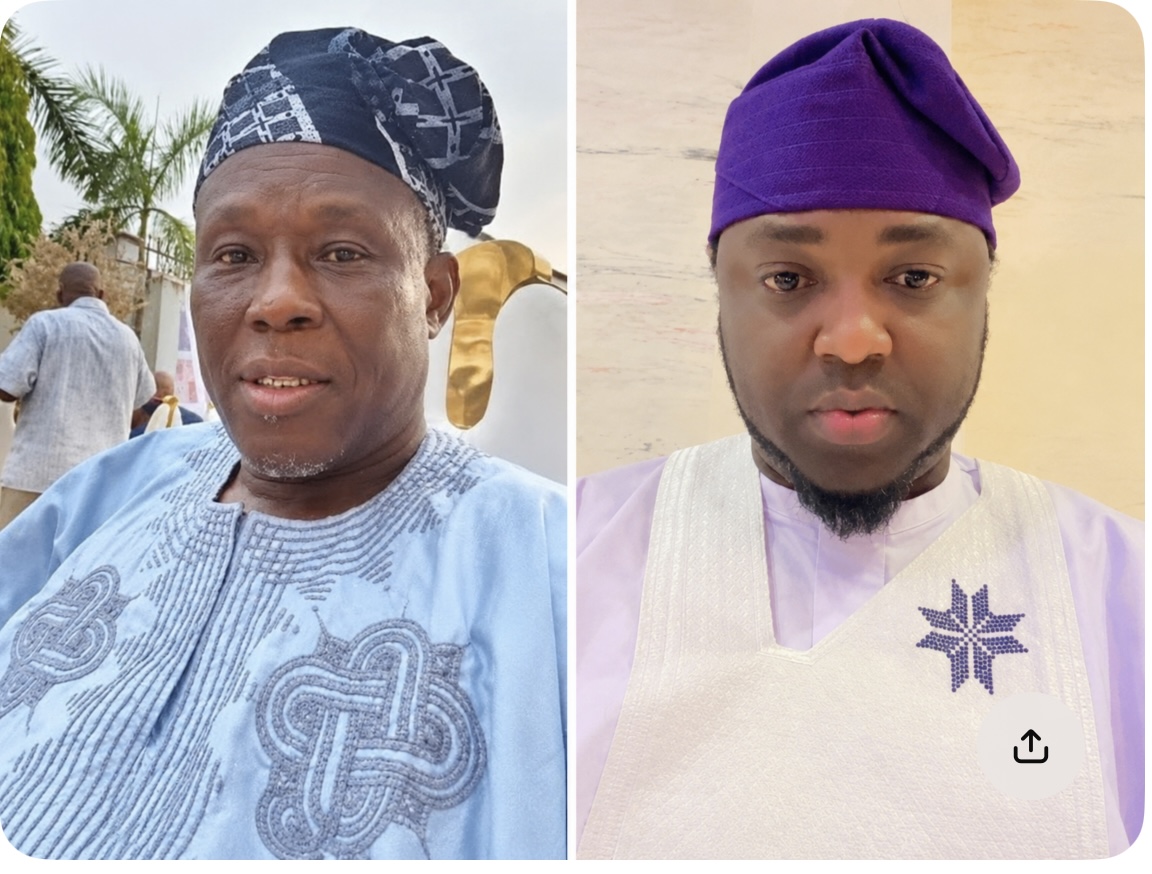
This is where the question of effective legislative representation becomes particularly significant. Across Oyo State, the activities of federal lawmakers such as Hon. Anthony Adebayo Adepoju, popularly known as Ibarapakan, who represents Ibarapa North/Central Federal Constituency, and Hon. Abass Adigun Agboworin, representing Ibadan North East/South East Federal Constituency, provide examples of how constituency engagement, legislative advocacy and development-oriented interventions can strengthen the relationship between elected representatives and the people they serve.
Their respective engagements with their constituencies illustrate the importance of connecting legislative responsibilities with community needs. Through constituency projects, empowerment initiatives, educational support and advocacy for local development, lawmakers can help create opportunities while using their positions to draw attention to the priorities of their constituents. Such interventions, alongside productive legislative work and effective oversight, demonstrate that representation can be measured not merely by political visibility but by the practical value delivered to the people.
The batton of perfect representation set by Hon. Anthony Adebayo Adepoju, Hon. Abass Adigun Agboworin and others offer a useful point of reference in assessing what Oyo Federal Constituency could expect from a representative who combines grassroots familiarity with purposeful legislative engagement. If Ashamu were given the same opportunity to represent his constituency at the National Assembly, his supporters would expect him to build on his experience as a former commissioner and his reported community interventions to pursue more ambitious development outcomes. With a well-defined legislative agenda, effective advocacy and sustained engagement with constituents, he could have the opportunity to perform beyond expectations.
The comparison also brings the performance of the incumbent representative in Oyo Federal Constituency into the political conversation. For constituents who believe that previous campaign promises have not produced the improvements they anticipated, the central issue is whether representation has translated into tangible benefits across their communities. Questions surrounding infrastructure, economic opportunities, youth development and constituency projects are likely to remain important as voters assess the available choices ahead of 2027.
Ashamu’s political proposition seeks to distinguish itself through his continued involvement in community development, including reported financial contributions and empowerment initiatives undertaken despite no longer occupying an executive government position. His record as a former commissioner, coupled with his current engagements, provides a basis for his campaign to argue that public service should not begin and end with the pursuit or occupation of political office.
Nevertheless, the strongest case for change will rest on evidence. While campaign donations and empowerment programmes can provide immediate assistance, voters also need representatives who can sponsor effective legislation, scrutinise public expenditure, exercise oversight, advocate for constituency priorities and pursue sustainable projects through the appropriate public institutions. These responsibilities are essential to ensuring that short-term interventions become part of a wider strategy for lasting development.
For Ashamu, the opportunity ahead is to connect the goodwill generated by his community engagements with a clear and measurable legislative programme for enterprise development, education, agriculture, infrastructure and youth employment across Afijio, Atiba, Oyo East and Oyo West. Such a programme would give constituents a more concrete basis for assessing his readiness to represent them and the results they could reasonably expect from his proposed leadership.
As 2027 approaches, Seun TNA is presenting himself as a candidate whose political proposition combines community engagement with a focus on opportunity, inclusion and forward-thinking leadership. His recent activities have drawn attention to the needs of local communities, the economic contributions of traders and farmers, the value of cultural coexistence and the importance of investing in young people.
Ultimately, voters will decide which candidate best understands their aspirations and possesses the capacity to advance them. For Ashamu, the opportunity is to turn his growing engagement into a compelling case for purposeful representation, demonstrating that fresh energy must be matched by foresight, that ideas must lead to practical action, and that political ambition must translate into service that improves people’s lives.
Oyo Federal Constituency deserves a future in which representation is measured by more than campaign promises: a future defined by accountable leadership, productive legislation, practical development and expanding opportunities for its people. Whether Ashamu can deliver on that promise will depend on the strength of his vision, the credibility of his plans and, ultimately, the confidence voters place in him.