



Don’t Underestimate Your Child’s Potential, NDSF Board Member, Olusegun Oyedeji Tells Parents Of Children With Hearing Disabilities
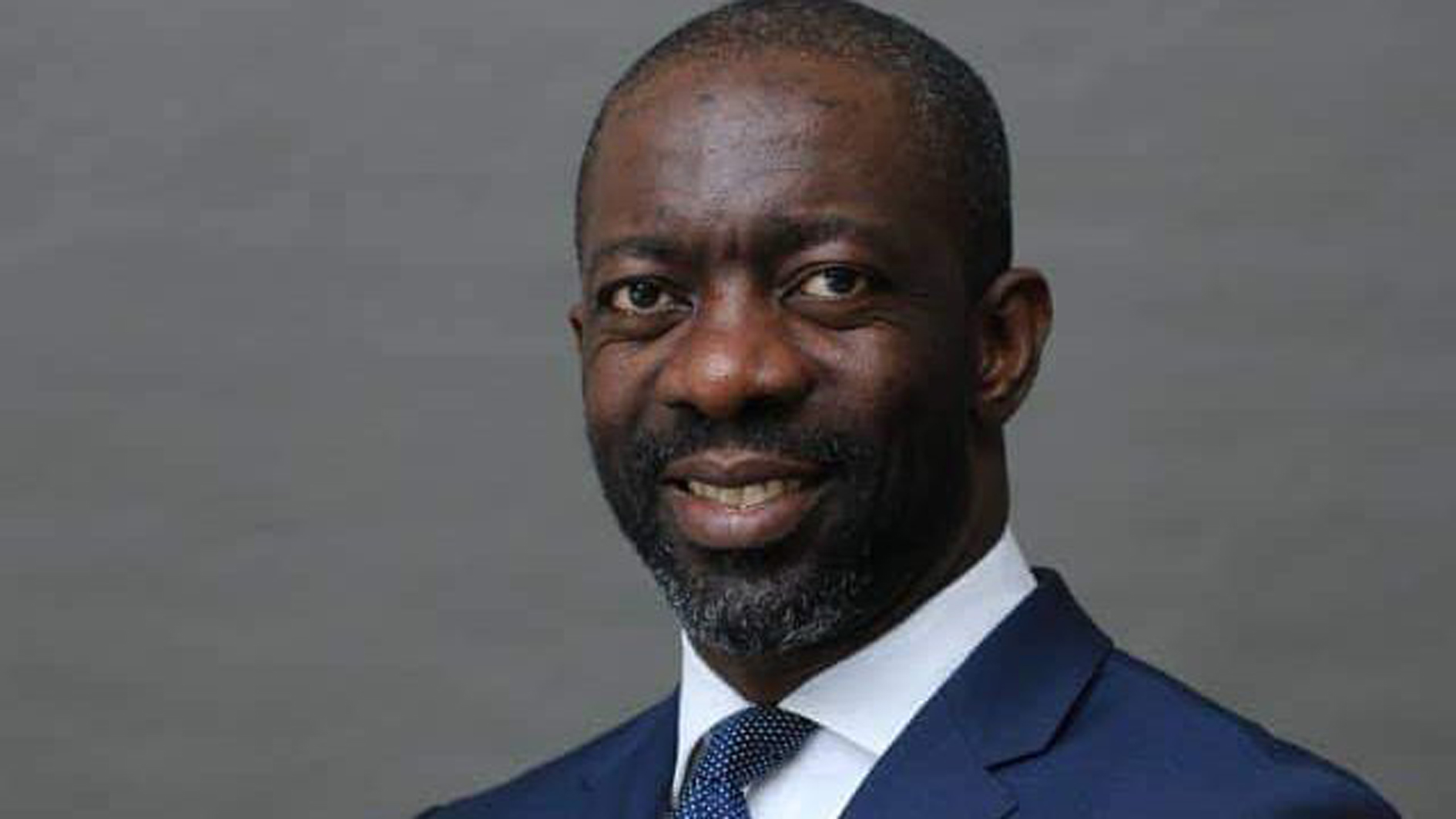
A member of the National Deaf Sports Federation (NDSF) Board, Ambassador Oyedeji Olusegun Abayomi, has said disability should never be a reason to deny a child access to sports.
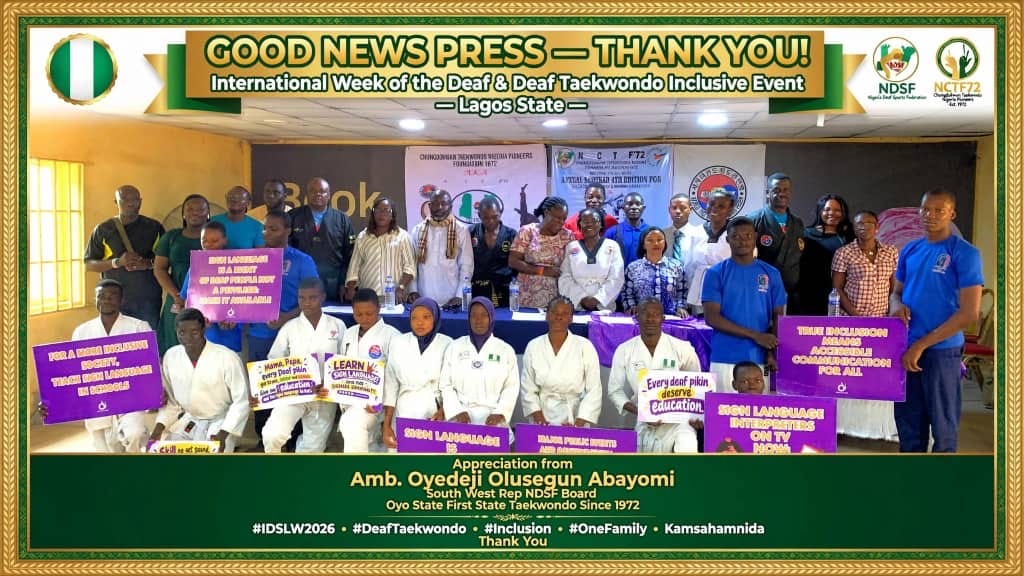
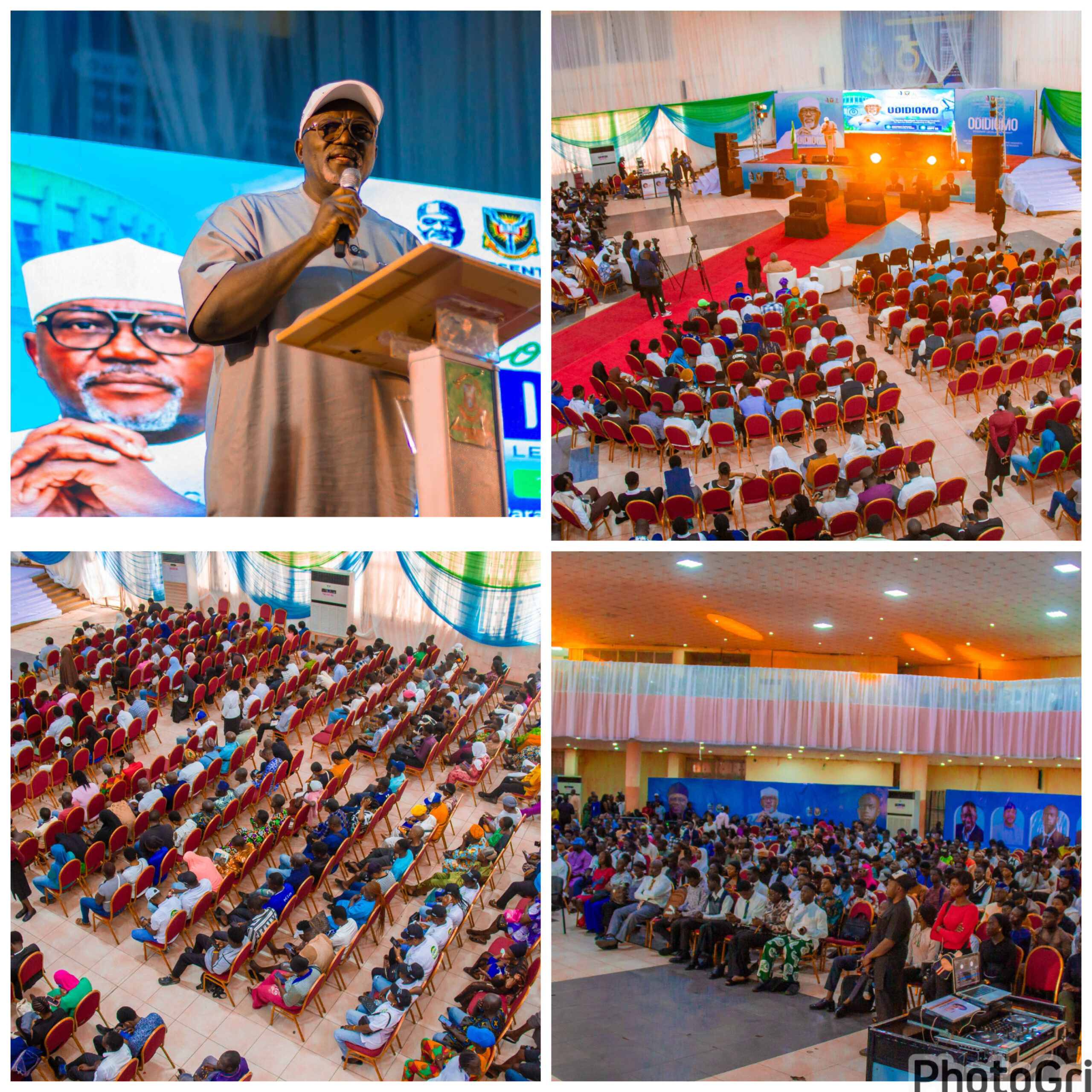
Abayomi, who is the South-West Representative on the board, stated this while delivering a keynote address at a seminar in Lagos organised by the Chundokwan Taekwondo Pioneers Nigeria Foundation to commemorate the International Week of the Deaf 2026.
The seminar was themed: “The Right of Children with Speech and Hearing Disabilities to Sports Education – A Taekwondo Perspective.”
According to him, children with disabilities have the same dreams and aspirations as every other child, noting that sports education should be seen as a right, not a privilege.
“I used to be a Deaf child with hearing disability, and let me tell you all: Children want to play. Deaf or hearing, kids want to play. They want to compete, make friends, win medals and be recognised for their abilities,” he said.
Olusegun explained that for children who are deaf or hard of hearing, participation in sports can improve physical fitness, confidence, discipline, teamwork and social interaction, while also helping them discover hidden talents.
Speaking on the value of Taekwondo, Olusegun said the martial art is more than physical exercise as it teaches focus, self-control, perseverance, courage and respect.
“For a child with hearing or speech disabilities, learning Taekwondo can send a powerful message: ‘You are capable. You belong. You can compete. You can succeed’,” he stated.
Noting that with appropriate adaptations such as visual instructions, demonstrations, signs and agreed communication signals, he said deaf and hard-of-hearing children can participate meaningfully in martial arts and other sports.
Abayomi, however, lamented that the greatest barriers faced by children with disabilities are not their impairments but attitudes, inaccessible facilities, communication gaps and policies.
“We must move from merely talking about inclusion to practising inclusion. Schools, sports organisations, governments, parents and communities all have a role to play,” he said.
He called on parents not to underestimate their children, urging them to encourage participation in sports and celebrate efforts, not only victories.
“To teachers and coaches, I say: look beyond the disability and see the child. Do not ask first, ‘What can this child not do?’ Ask instead, ‘What can this child do, and what support can we provide to help the child do it better?'” he added.
He further stressed that if Nigeria genuinely wants an inclusive society, inclusion must begin from childhood, adding that partnership between Taekwondo and Deaf education can open new pathways for children with speech and hearing disabilities.
Abayomi commended the Chundokwan Taekwondo Pioneers Nigeria Foundation for the initiative and called for stronger action towards inclusive sports education for children with disabilities.