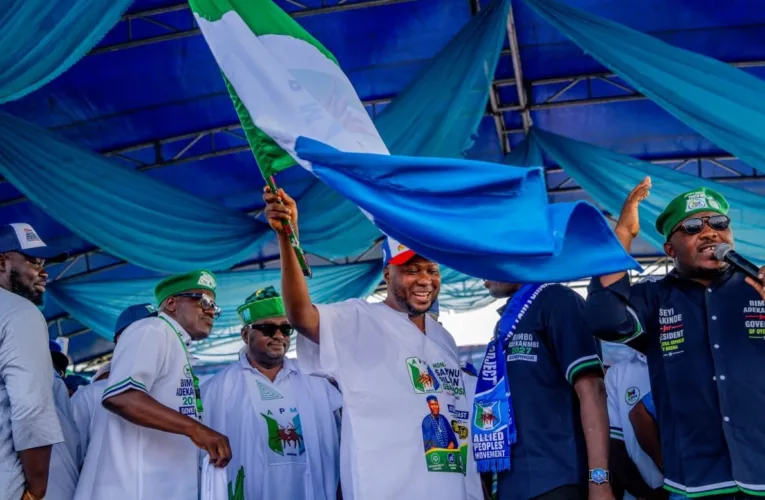
I agree with Egbon Babafemi Ojudu’s narrative in his recent piece titled “DANCE, DANCE, DANCE!”, and as always, I appreciate his take on the new trend of dance in Nigeria’s political landscape. Another thing to note is the recent deep cultural connection of the music used. From Saheed Osupa to Taye Currency, KWAM 1, Portable, and the deeply energetic chorus songs used to praise Minister Wike, one thing is now clear: music is no longer just art in Nigeria. It is a connection between politicians and the populace they are trying to reach. Indeed, we are in the era of “Ijo Ya” by Weird MC.
The “Ijo Ya” period is a time of physical exercise and intellectual docility among the Nigerian political elite—a lacklustre manifestation of self-energy, a display of nonchalance, and an insult to the Nigerian populace. For the populace, it reflects quiet acceptance, temporary comfort, and an escape from reality.
Maybe because there is no ideological difference between Nigeria’s political parties, there seems to be no direction in their political manifestos and action plans. The best I have seen in recent times is “The LAGOS Promise” by Kadri Obafemi Hamzat. Yet, even this document—as good, innovative, and promising as it is—is evidently designed to promote the ideology of Nigerian political elitism, with many development experts asking questions about the promise of Lagos for an average man on the streets of Agege, Ikorodu, Makoko, and Mushin. What is the plan for waste management, housing challenges, and flooding in these areas? How does the government plan to address out-of-school children and early-year pregnancy? Beyond tokenistic gifts in the form of social support, how will these people be taken out of poverty and mainstreamed into development? As a pro-poor researcher, I cannot but ask the same.
In other states, it is worse, with no one talking about their development agenda. There is no blueprint, even for the elites. Does road construction transform into better development for people in Ibadan, Osogbo, Iwo, or Akure? How are climate funds being spent to transform the vulnerabilities of the population along watersheds in the Osun-Osogbo Grove, Ilaje, and Owena regions? How do the billions that traverse the slumming core of Nigerian urban areas affect the original indigenous poor of these areas?
Not that dancing is not good, but beyond the dance, there is no substance—only an evident lack of vision and accountability. Sadly, the populace is not asking the right questions; maybe nobody is saying it out loud, or the politicians refuse to listen. More worrisome, the populace is also drifting toward irresponsibility toward self, community, and nationhood.
Maybe we are all dancing to the music of foolishness. May the Lord help our country.
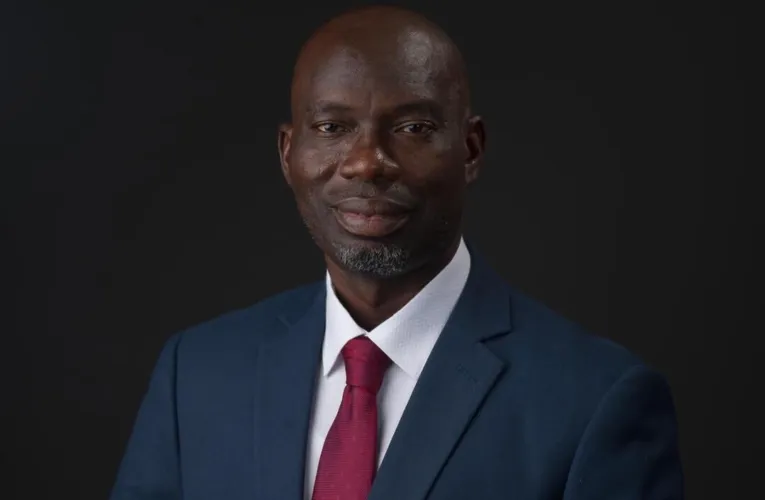
Dr. Samson Olanrewaju is a Senior Lecturer in the Department of Urban and Regional Planning at Osun State University, Osogbo, Osun State, Nigeria.