




Wike: FCT Projects Will Deliver Votes for Tinubu
*** Cites Police Stations, Infrastructure, Traditional Rulers’ Engagement
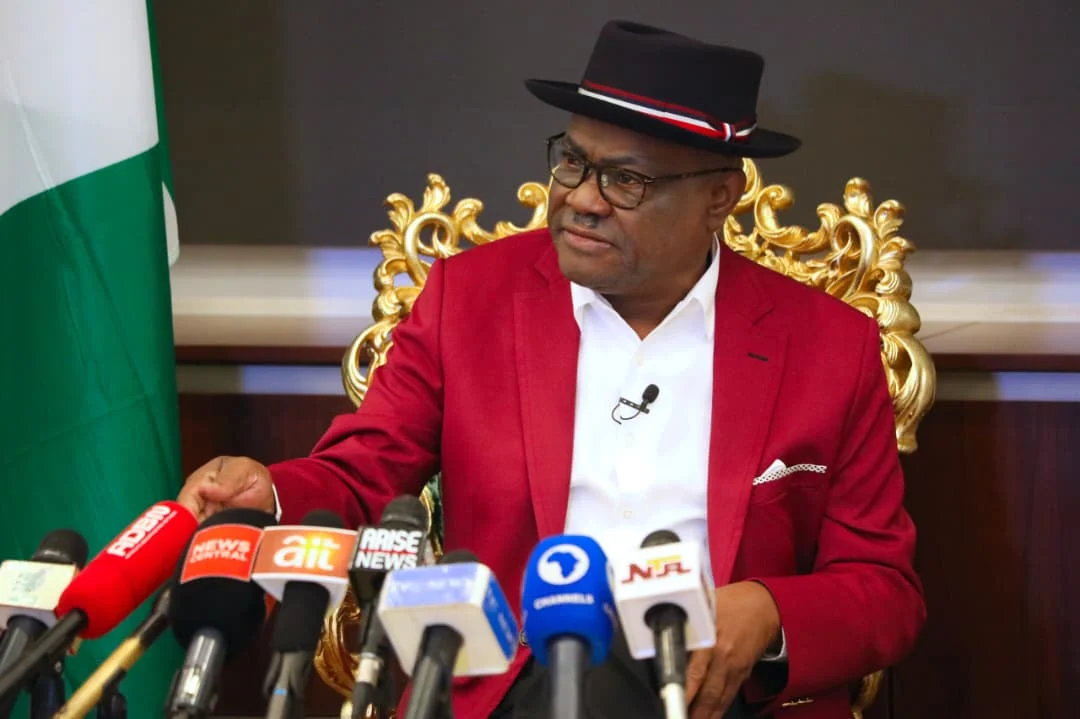
Minister of the Federal Capital Territory (FCT), Barr. Nyesom Wike, has expressed confidence that his administration’s infrastructure projects and engagement with indigenous communities will strengthen support for President Bola Tinubu, insisting that the government’s performance in the territory would speak for itself.
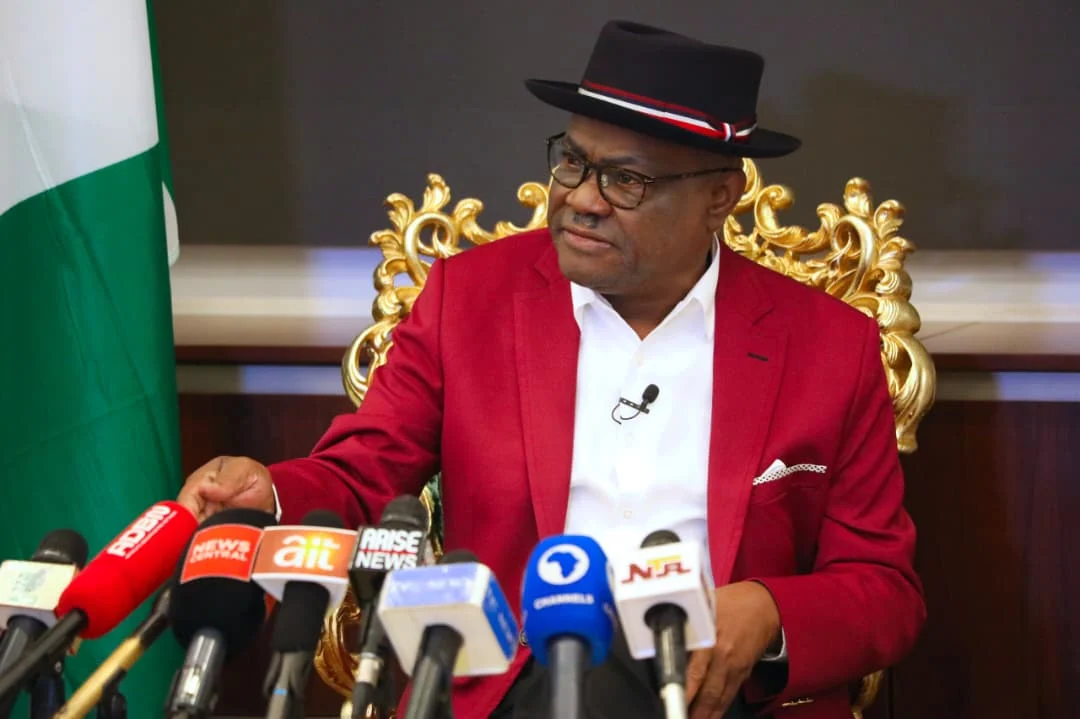
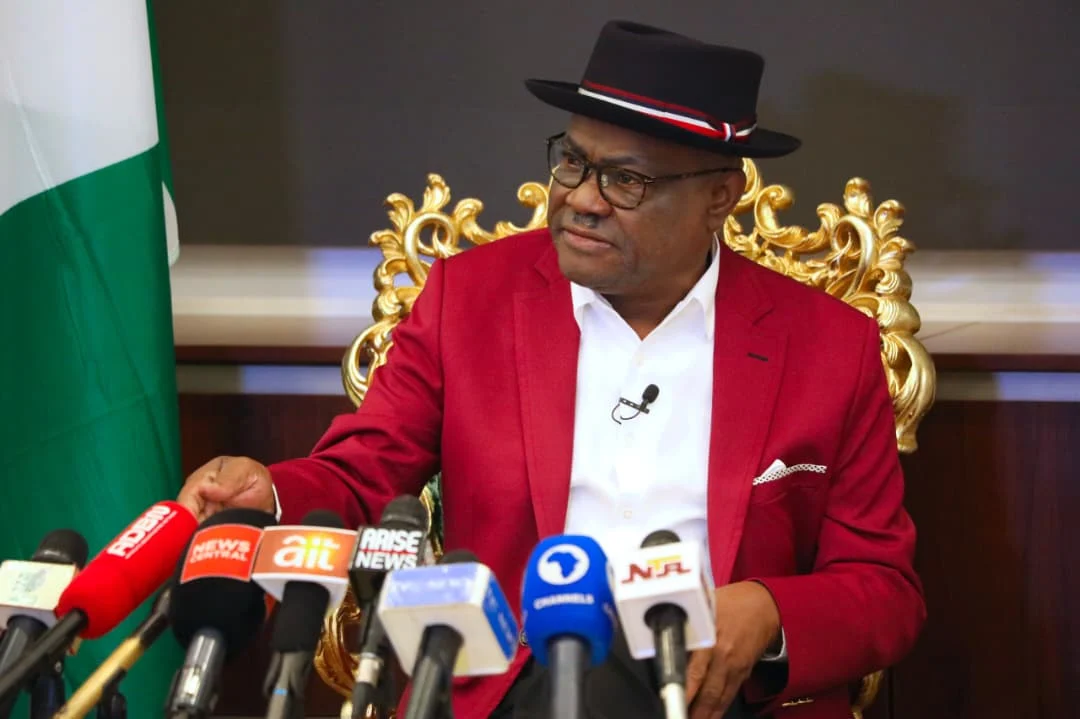
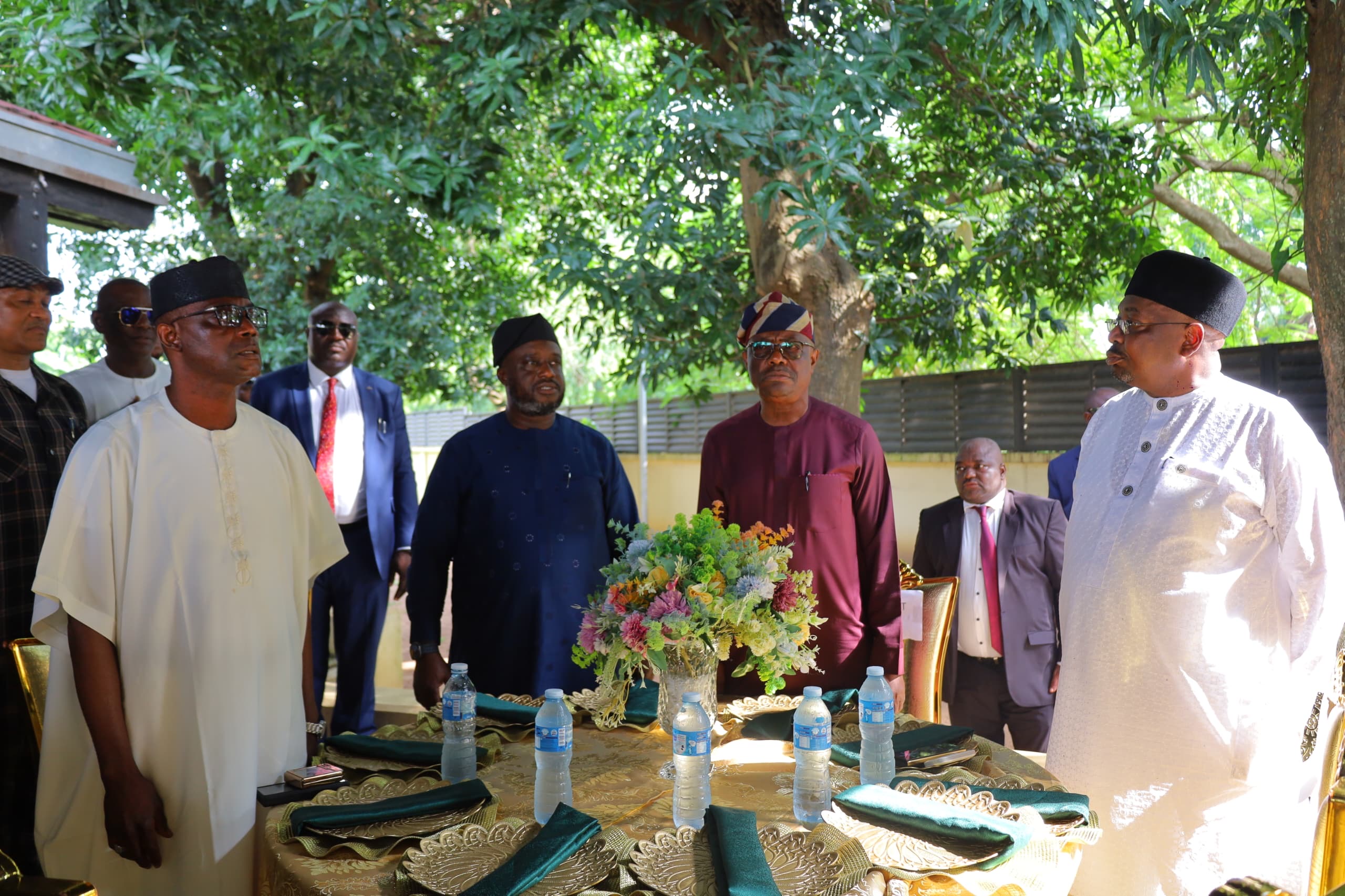
Wike, who spoke during a media parley in Abuja on Tuesday, said his administration had taken governance closer to residents through infrastructure development, engagement with traditional rulers and consultations with stakeholders across the FCT.
He argued that the government’s approach had helped address longstanding concerns among indigenous communities and other residents, adding that political support should be built through tangible results rather than campaign promises alone.
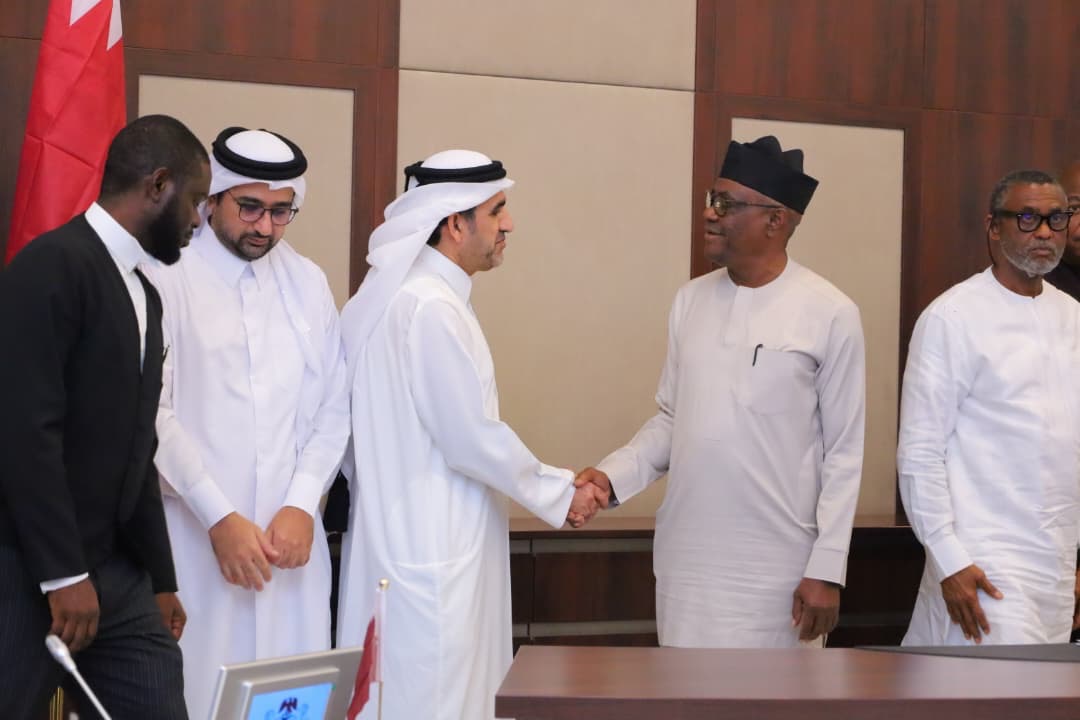
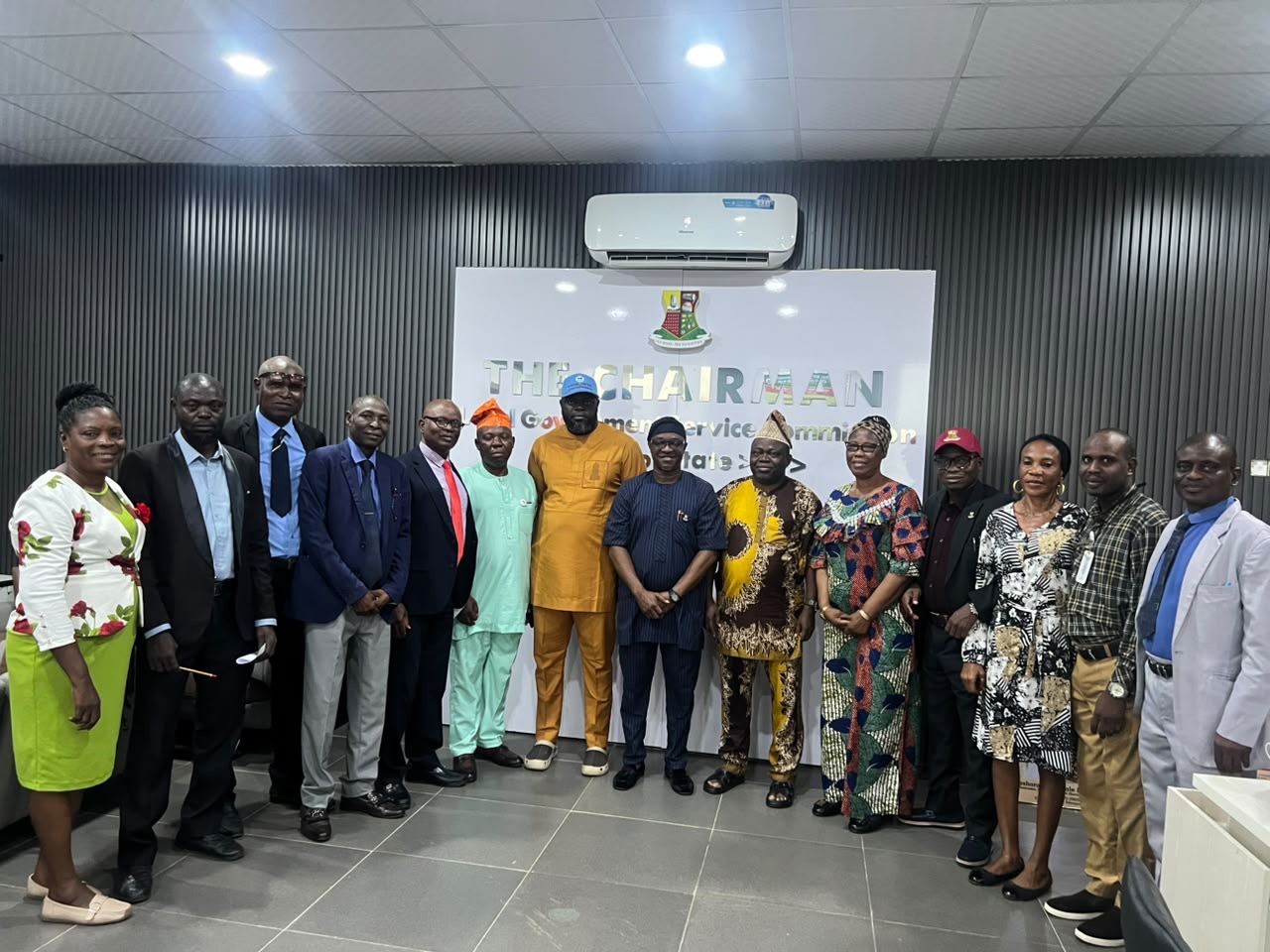
The minister disclosed that former senators, former members of the National Assembly and former area council chairmen had recently come together in support of the administration, irrespective of their political affiliations.
According to him, their gathering reflected a recognition of the government’s approach to governance and its engagement with different sections of the FCT.
“It’s not about the candidates; it’s about the style of governance and administration as it regards the FCT,” Wike said.
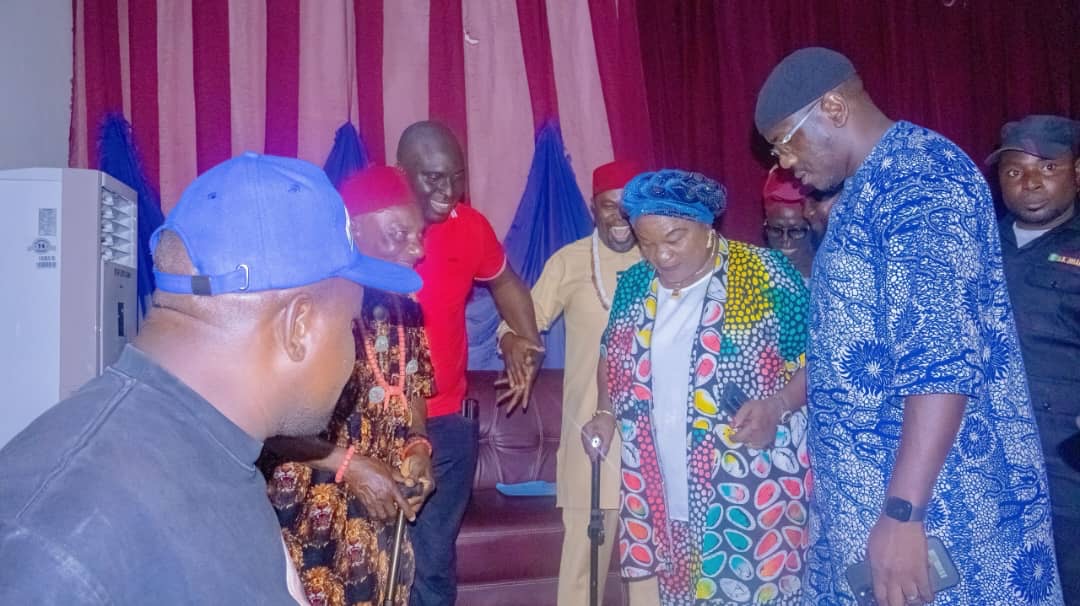
He highlighted consultations with traditional rulers and stakeholders, arguing that regular engagement with community leaders was an important aspect of governance that had not received sufficient attention in previous administrations.
Wike also said his administration had responded to security concerns raised by residents by constructing at least two police stations in each of the FCT’s six area councils.
He maintained that the government’s development agenda extended beyond the city centre to communities on the outskirts of Abuja.
The minister also announced plans to commission at least 10 projects before the end of December, citing road projects linking Karshi, Kubwa and other communities.
He argued that the projects would demonstrate the administration’s commitment to extending infrastructure development beyond central Abuja.
Wike rejected the suggestion that his political mobilisation in the FCT was aimed at securing only a minimum electoral threshold.
“How do you look at me? Coordinator of FCT, and I am looking for 25 per cent? That must be a joke,” he said.
He expressed confidence that the administration’s activities had taken its message directly to residents, although he acknowledged that the final electoral outcome would be determined through the democratic process.
Wike also defended his administration’s handling of issues affecting FCT indigenous communities, including traditional institutions and appointments.
He challenged critics to identify another civilian administration that had done more to accommodate indigenous interests through appointments and other measures.
On the elevation of traditional rulers and the presentation of staff of office, the minister said arrangements were being made to present certificates to the relevant beneficiaries.
He also addressed complaints about water supply in Karu, where a journalist noted that residents were yet to receive water despite the commissioning of a water project.
Wike explained that the government had provided the main infrastructure and access points, but residents would need to make arrangements for connections to individual properties.
He rejected the expectation that the government should extend direct connections to every household, arguing that the infrastructure provided a foundation for residents to access the supply.
The minister maintained that the administration’s record in infrastructure development, security and community engagement would be an important factor in determining public support.