










Oke-Ogun Has Lithium, Uranium, Land, But Lacks Unity — Oyo Deputy Gov
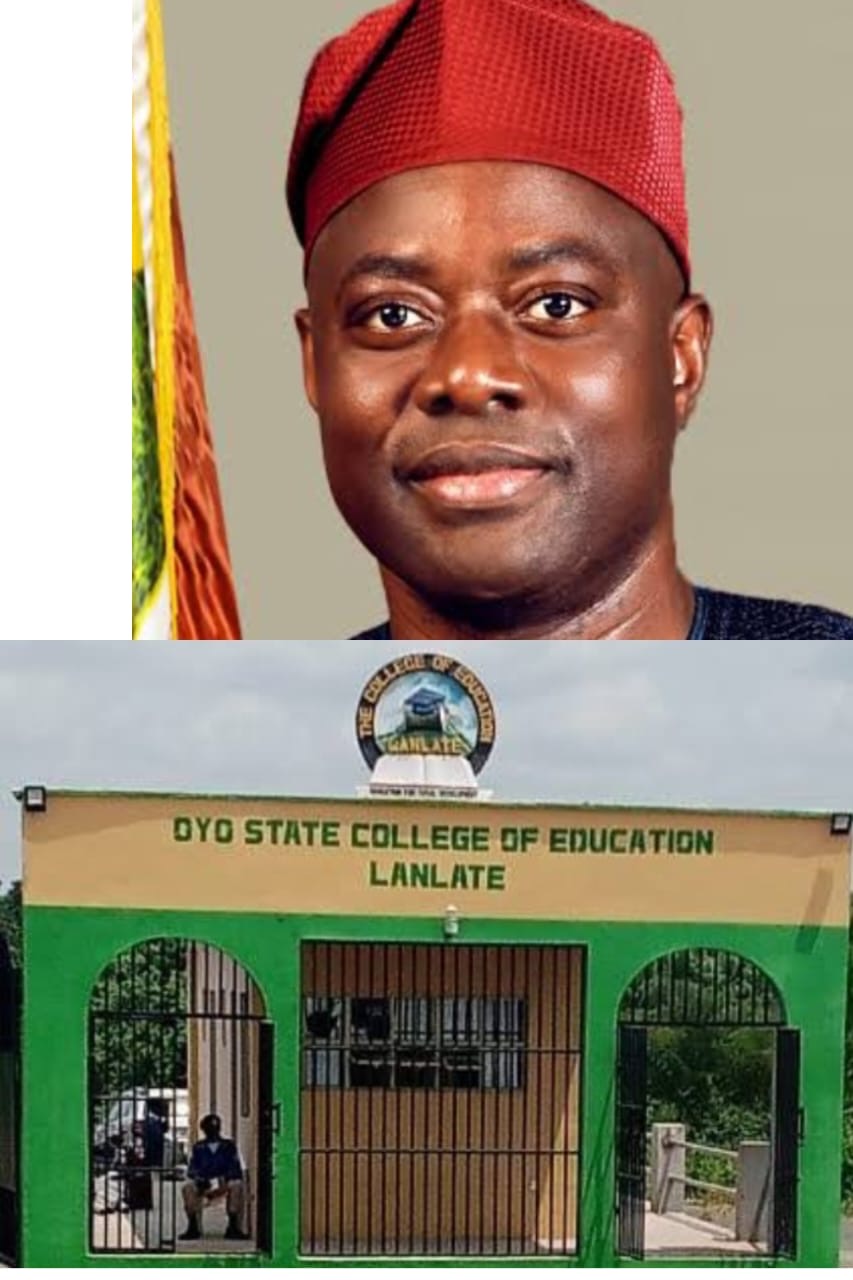
Oyo State Deputy Governor, Barr. Abdul-Raheem Adebayo Lawal, has decried what he called the Oke-Ogun zone’s habit of abandoning its sons and daughters in political office, saying the attitude undermines the zone’s development, especially as it remains politically marginalized in the state.
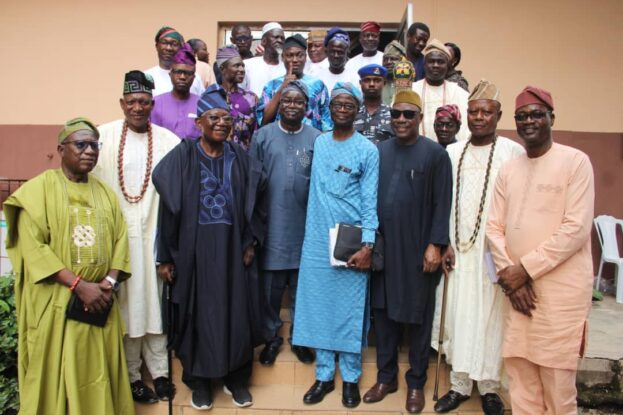
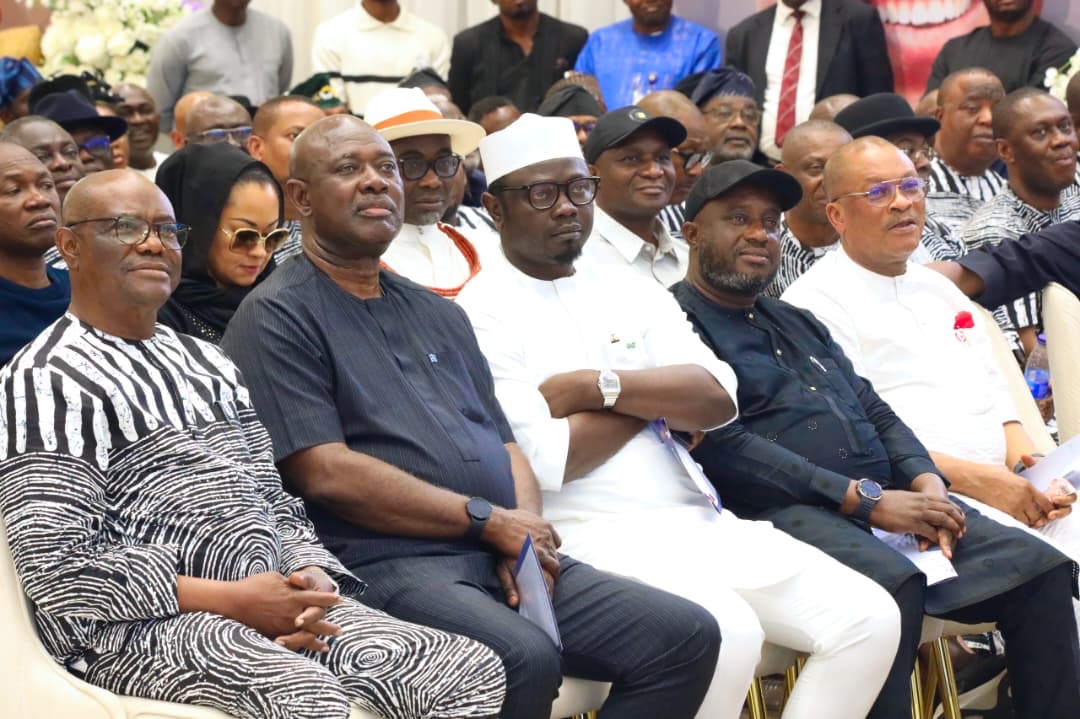
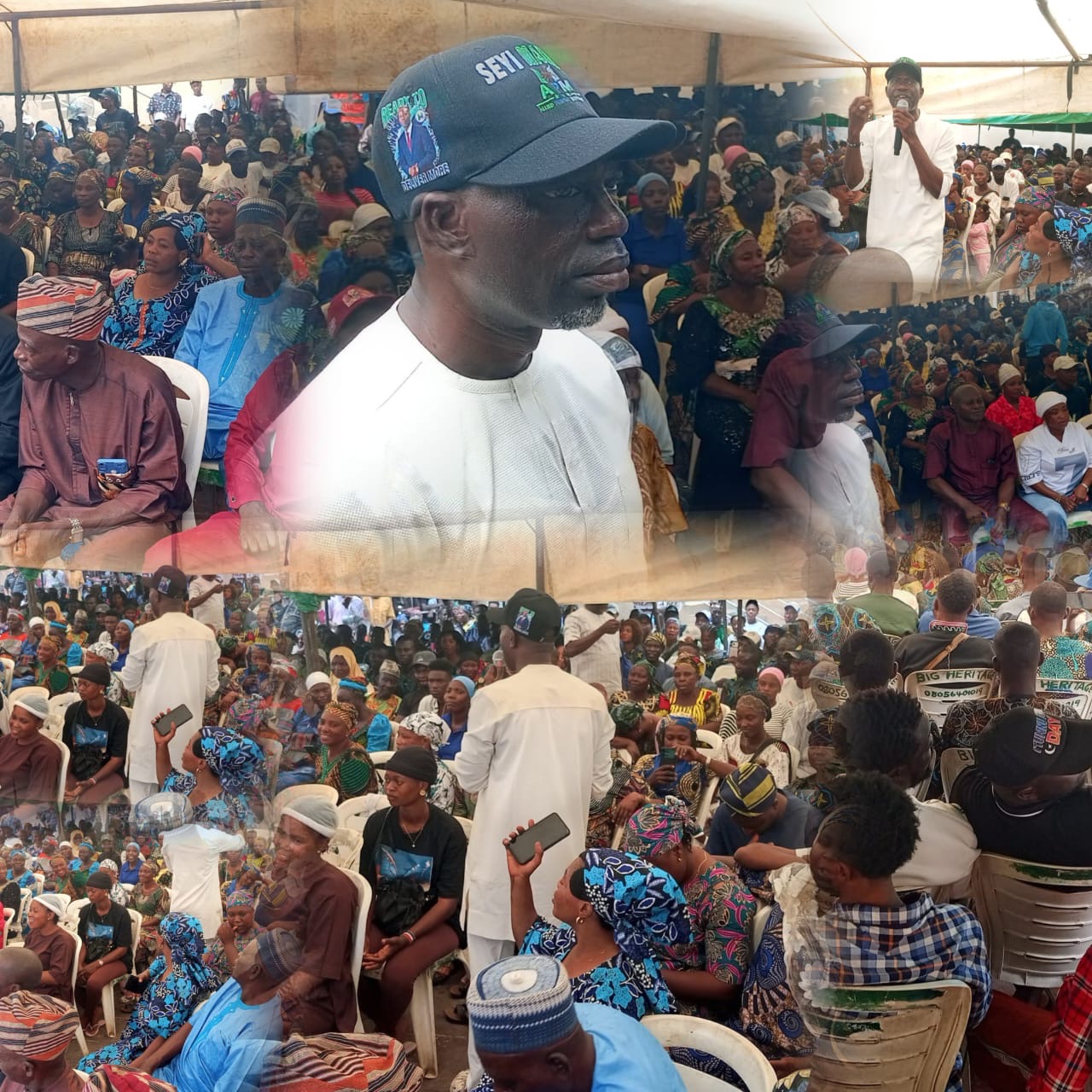
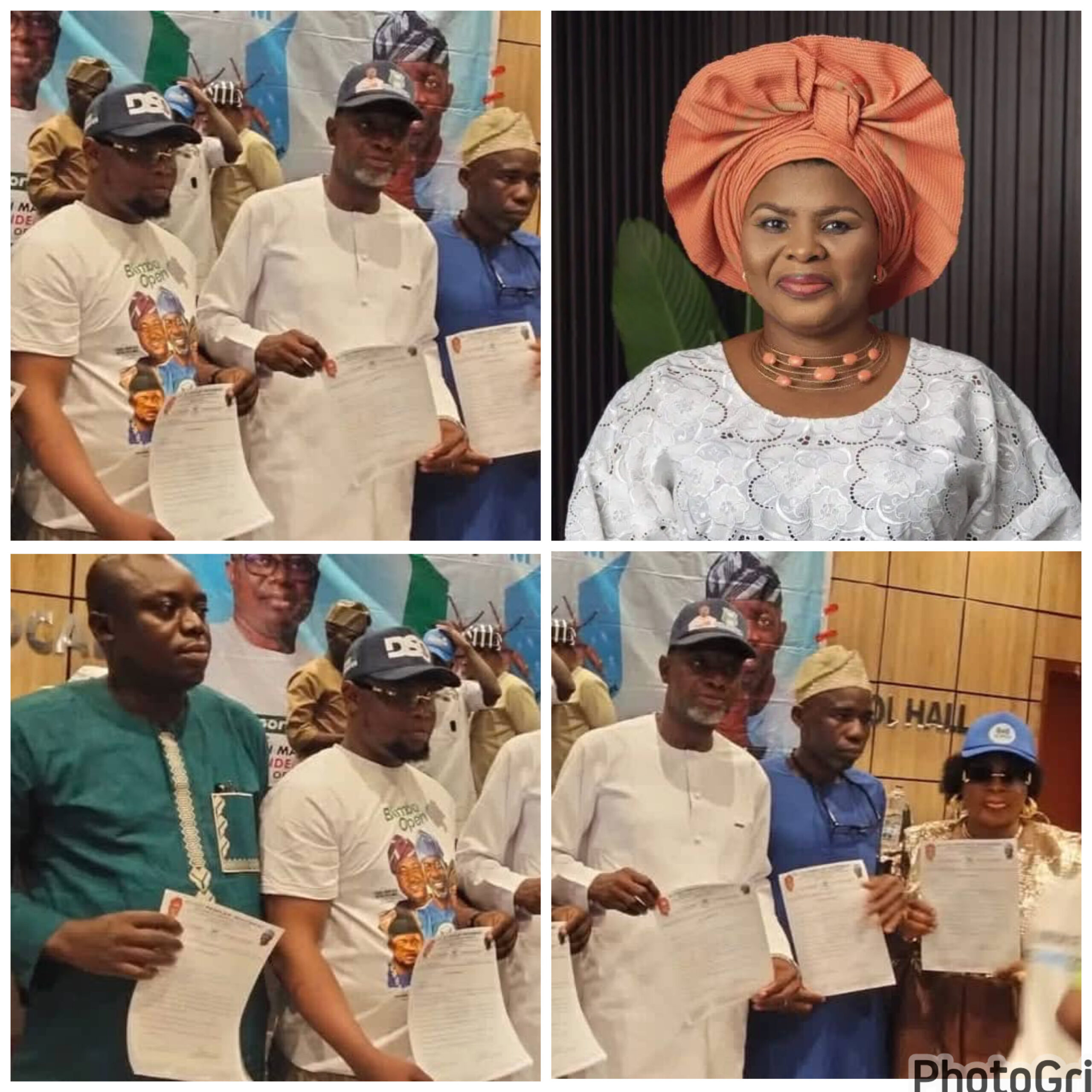
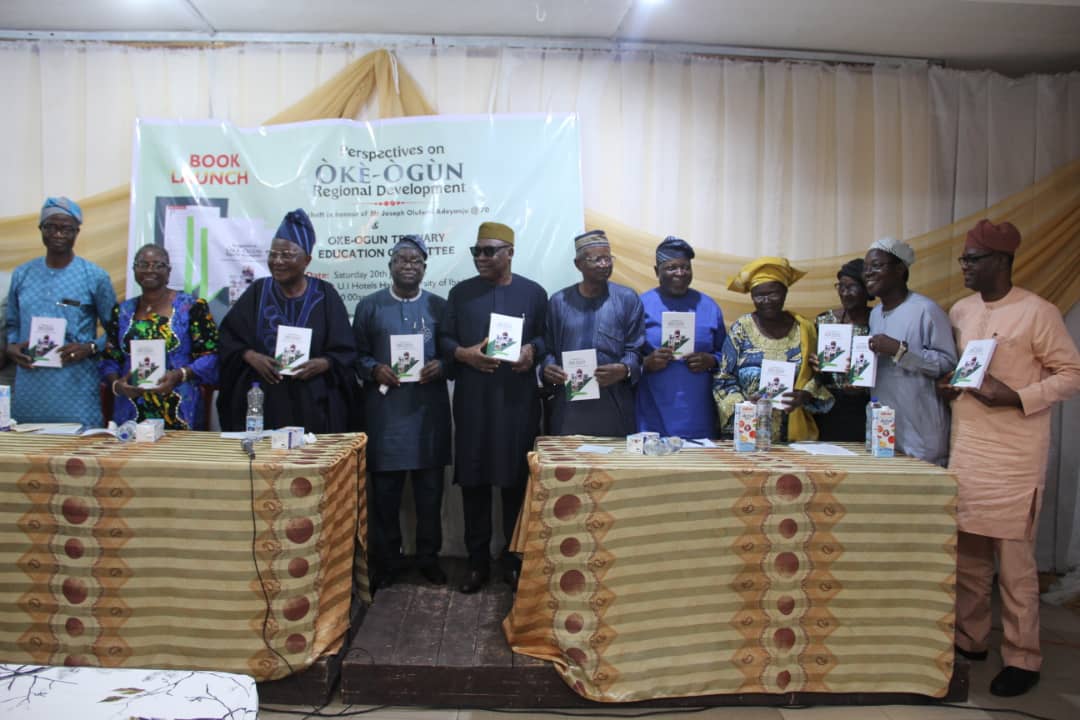
Speaking on Saturday at a book launch and Festschrift in honor of Mr. Joseph Olufemi Adeyanju at 70, and for the Oke-Ogun Tertiary Education Committee, held at the UI hotels in Ibadan, the deputy governor said unity was the only way the zone could secure its fair share.
The “Perspective on Oke-Ogun Regional Development” was launched alongside the ODCF committee’s report.
If the zone does not want to be driven from what belongs to it, Barr. Lawal said, stakeholders must unite and present a common front. He noted Oke-Ogun is larger than Imo, Bayelsa and several other states by land mass.
He added that mineral resources in the zone, including lithium, uranium, tourmaline and other solid minerals, are not being maximized. Those resources ought to drive development but are being ignored, he said.
Barr. Lawal, while advising leaders of Oke-Ogun indigenous groups to unite instead of allowing foreign interests, including Chinese firms, to take the benefits, said trade and investment are focused on Oke-Ogun because of its food basket of maize, cashew, cassava and yam, among others, and urged residents to harmonize and make good use of those resources.
The deputy governor also urged efforts to develop Ado-Awaye and Iya Mapo as tourism centers, saying regional development must leverage the zone’s potential.
“About nine months ago, we were struggling to get a university in Oke-Ogun and decide on a site, but Oyo State decided to put a LAUTECH campus in Iseyin that will later become a full-fledged university. Now, to the glory of God, another federal university has been sited in Oke-Ogun. That is the pride of the zone and should not be personalized by Okeho alone. All councils in Oke-Ogun should have buy-in for the university,” he said.
“Like you know, Oyo State Government is sponsoring five indigenes from each local government at Abiola Ajimobi Technical University. The councils in Oke-Ogun should support the federal university in Okeho the same way. It should not be personalized in any way.
“After all, we are talking about regional development, so we are one. In the past, they wanted to divide us through Iseyin to Oyo, but we scaled through because of our unity in the zone.”
Barr. Lawal said some people think he is a stranger to ODCF, OGF and CoIN, but he has been part of Oke-Ogun’s development movement for years. He said the zone remains extremely marginalized and warned that without unity, even by 2031 the zone will be further marginalized.
He noted that with elections approaching, there is no unified candidate from any political party in Oke-Ogun because of disunity among stakeholders. Even after he became deputy governor, he said, no Oke-Ogun group has identified with him as their son despite his position.
“After 2027, I will become an elder among all indigenous groups in Oke-Ogun,” he said. “The zone must rally round its sons and daughters in political office.”
The deputy governor however commended contributors to the book, describing Adeyanju as a junior in secondary school and a passionate advocate of Oke-Ogun development. “Someone so close to me, I cannot afford to miss this program,” he said.
Earlier in his remarks, Adeyanju said the book answers the yearnings of Oke-Ogun and offers direction. He prayed that the zone’s development would translate to impact.
Notable guests at the event included former Deputy Governor Iyiola Oladokun, Okere of Saki Oba Khalid O, and a host of others.