
Don’s First Year of Impact: Why Ibadan North Must Consolidate Gains And Give Folajimi Oyekunle Another Mandate
…….From Roads and Healthcare to Youth Empowerment and Legislative Innovation, DON Is Building a Case for Continuity Through Performance
By Asiwaju YSO Oladunni
In representative democracy, the true measure of a legislator is not merely the number of times their name appears in the news, the political alliances they cultivate, or the promises they make during electioneering campaigns. It is the tangible difference their representation makes in the lives of the people, the opportunities they create for their constituents, and the legislative foundations they lay for sustainable development.
For the people of Ibadan North Federal Constituency, the representation of Hon. Folajimi Oyekunle, popularly known as DON, presents an opportunity to examine an important question: Should a legislator who has initiated measurable constituency interventions and pursued developmental legislation within a relatively short period be given the opportunity to consolidate those efforts?
Since assuming office following his victory in the August 2025 bye-election, Oyekunle has pursued interventions across road infrastructure, healthcare, education, social welfare, youth development and community engagement.
As the next general election approaches, the conversation about his representation deserves to move beyond political sentiments and focus on the evidence of his work, the progress of his initiatives and the opportunities that continued representation could offer Ibadan North.
Infrastructure: Bringing Development Closer to the People
One of the most immediate responsibilities of a representative is to advocate for projects that address the everyday challenges of constituents.
Roads are not merely physical structures. They connect businesses to customers, residents to workplaces, patients to hospitals and communities to economic opportunities.
Within his period in office, DON has facilitated or initiated several road infrastructure projects aimed at improving accessibility across Ibadan North.
In September 2026, the reconstruction of the 1.17-kilometre Atenda–Alawada Road in Ward 4 was flagged off. The road connects to five major roads, making its rehabilitation potentially significant for traffic movement and accessibility.
The reconstruction of Oni-lane Road in Ward 3 was also flagged off during the same period, addressing the need to improve movement along a road reportedly neglected for years.
Similarly, the reconstruction of Major Salawu Road in Ward 12, Constituency 2, was flagged off, adding to the road projects initiated under his representation.
These projects are significant because infrastructure development is most meaningful when it responds to the practical needs of residents rather than serving as a political showpiece.
Beyond the road projects, Oyekunle facilitated the reconstruction of a community link bridge serving Ayope, Binkonu, Ajiwogbo, Opeolu and Oke Mokankan. The bridge, upgraded to a concrete structure, was completed and opened for public use in April 2026.
For the communities that depend on this crossing, the intervention represents more than a construction project. It provides an improved connection between neighbouring communities and helps address the difficulties associated with an inadequate passage.
His reported infrastructure interventions also include 349 solar-powered streetlights and five solar-powered borehole projects.
Streetlighting can improve visibility at night and support safer movement, while access to water remains fundamental to public health and household welfare.
Taken together, these interventions demonstrate an approach to representation that extends beyond legislative debates to projects intended to address everyday community needs.
However, the value of these projects will ultimately be determined by their completion, quality, maintenance and lasting benefits to residents.
Healthcare: Making Access to Medical Services a Priority
Healthcare remains one of the most important areas where public representation can make a meaningful difference.
For many households, the challenge is not simply the availability of medical facilities but the financial burden associated with accessing treatment.
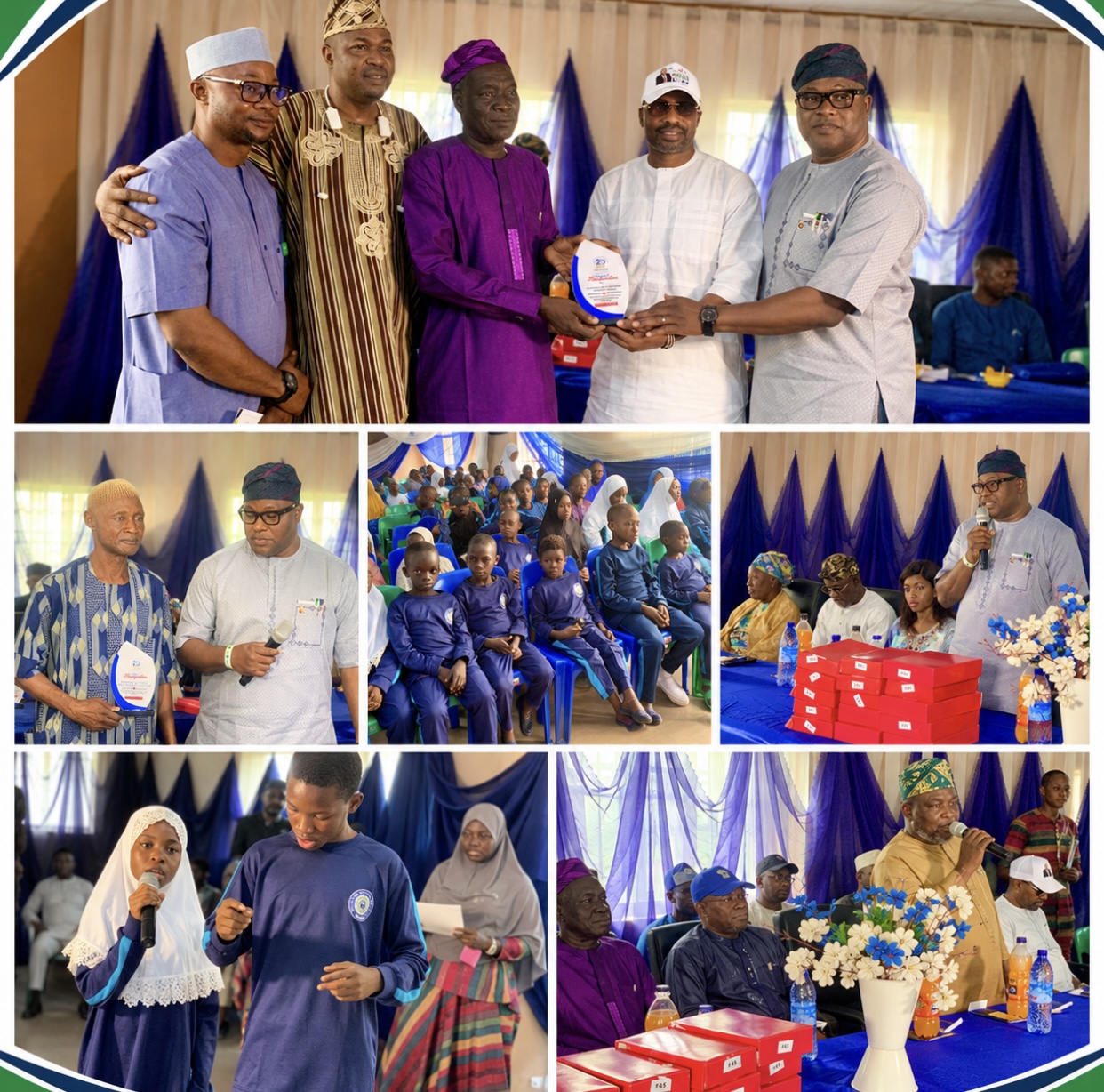
On October 12, 2026, Oyekunle facilitated the enrolment of more than 100 residents of Ibadan North into a health insurance scheme under his DON CARE initiative.
The programme is designed to provide beneficiaries with access to covered medical services for one year, helping to reduce the immediate financial pressure associated with healthcare.
Although the initiative currently covers a defined number of beneficiaries, its significance lies in the principle behind it: representation should include interventions that protect the welfare of ordinary people, particularly those who struggle to meet essential medical expenses.
His healthcare agenda also extends to legislative action.
DON sponsored a bill seeking to establish a Federal College of Nursing and Midwifery in Ibadan North. The proposed institution is intended to expand opportunities for professional training while contributing to the development of Nigeria’s healthcare workforce.
The distinction is important. While the health insurance enrolment is a constituency intervention, the proposed college remains a legislative initiative that must progress through the necessary stages before the institution can become a reality.
Nevertheless, pursuing such legislation demonstrates an effort to connect local development with the broader national need for skilled healthcare professionals.
For Ibadan North, the potential benefits include educational opportunities, professional training and possible economic activity associated with the establishment of a federal institution.
The next step is to sustain the legislative process and build the necessary institutional support to move the proposal forward.
Education and Skills Acquisition: Investing in the Future of Ibadan North
No constituency can achieve sustainable development without investing in its young people.
A society that fails to equip its youth with relevant knowledge, technical competence and employment opportunities risks turning its demographic strength into an economic burden.
This is why Oyekunle’s legislative proposals for education and skills development deserve attention.
In addition to the proposed Federal College of Nursing and Midwifery, he sponsored a bill seeking to establish a Federal Vocational and Skills Acquisition College in Ibadan North.
The proposed vocational institution is intended to equip young people with practical skills, improve their employability and support entrepreneurship.
Both bills passed First Reading in the House of Representatives in 2025. They remain legislative proposals and have not yet become established federal institutions.
Their eventual impact will therefore depend on further legislative progress, the necessary approvals and implementation.
Yet the proposals reflect an important developmental direction: expanding access to vocational and professional education while creating opportunities for young people to compete in an increasingly demanding economy.
For young residents who cannot afford conventional university education or who need practical skills to establish sustainable livelihoods, a properly equipped federal vocational institution could offer a valuable alternative.
The argument for continuity is particularly relevant here.
Legislative proposals often require sustained engagement, advocacy, committee consideration and collaboration with relevant government institutions. Continued representation could provide an opportunity to pursue these bills beyond their initial legislative stages.
The people of Ibadan North should therefore assess not only what has already been delivered but also the credibility, progress and potential benefits of the developmental proposals before them.
Social Welfare: Responding to the Economic Pressures on Households
Nigeria’s economic realities have placed enormous pressure on families, particularly those struggling to afford food and other basic necessities.
In such circumstances, constituency representation must not be limited to long-term infrastructure and legislative initiatives. There is also a need to respond to immediate social challenges.
In December 2025, Oyekunle facilitated the distribution of more than 320 bags of rice to residents through a collaboration involving the Federal Ministry of Agriculture and Food Security and the Federal College of Horticulture, Dadinkowa, Gombe State.
He subsequently sustained a food-palliative programme that reached its fifth reported edition by August 2026, with a sixth edition reported in September.
These interventions have provided food support to residents drawn from different communities, associations, religious organisations and other groups.
Food palliatives are not a substitute for sustainable economic development, employment generation or effective social protection. Their value lies in providing temporary relief to households facing immediate hardship.
The more important question is whether such interventions can complement broader efforts to expand economic opportunities and improve living conditions.
By maintaining social support alongside infrastructure and legislative initiatives, DON has sought to address both immediate welfare concerns and longer-term constituency needs.
For beneficiaries who receive assistance during difficult periods, such interventions can make a practical difference.
Youth Development: Creating Opportunities Beyond Political Participation
Young people constitute a significant part of Nigeria’s population, yet many continue to face unemployment, limited access to opportunities and inadequate platforms for discovering their talents.
Effective representation must therefore go beyond mobilising young people during elections. It should create opportunities for them to develop skills, participate in governance and contribute meaningfully to society.
Oyekunle’s constituency agenda includes sports development, youth empowerment and skills acquisition.
One notable intervention is the DON FA 5-A-Side Football Competition, sponsored in collaboration with the Yemetu Youth Forum.
The competition provided a platform for grassroots football, youth participation, talent discovery and community engagement. Golden FC emerged champions, while Inuolaji FC finished second and Emirate FC placed third.
Although a football competition cannot independently resolve youth unemployment, grassroots sporting activities can create opportunities for young people, promote teamwork and strengthen community relationships.
More importantly, the proposal for a Federal Vocational and Skills Acquisition College provides a potential pathway towards a more structured approach to youth empowerment.
The long-term challenge is to translate youth-focused initiatives into measurable outcomes through skills training, entrepreneurship support, employment opportunities and sustained investment in young people’s development.
Ibadan North needs a representative who understands that youth development is not a seasonal political activity but an essential component of community progress.
Giving Young People a Seat at the Table: The One-Day Representative Programme
Perhaps one of the more innovative elements of Oyekunle’s constituency engagement agenda is the One-Day Representative Programme.
The initiative is designed to expose eligible indigenes of Ibadan North to the workings of the National Assembly and the practical responsibilities of legislative representation.
Under the announced programme, the winner is to receive ₦1 million, the first runner-up ₦500,000 and the second runner-up ₦250,000.
The winner is also expected to receive a sponsored trip to the National Assembly Complex in Abuja and an opportunity to occupy the lawmaker’s office for one day.
Applications closed in October 2026, with screening and selection expected to follow.
Beyond the financial rewards, the programme has the potential to deepen civic awareness by helping young people understand how legislative institutions operate and how representatives engage with public policy.
Democracy becomes stronger when citizens understand not only their right to vote but also the responsibilities attached to public office and the mechanisms through which government decisions are made.
For a generation seeking greater inclusion in governance, initiatives that bring young people closer to public institutions can help nurture informed citizens and future leaders.
The programme’s ultimate value, however, will depend on transparent implementation, fair selection and the extent to which participants gain meaningful knowledge of legislative processes.
Building a More Effective Constituency Representation Structure
Effective representation requires more than the personal commitment of an elected official. It also depends on the quality of the team supporting the office, the channels available for receiving complaints and the ability to coordinate responses to community needs.
In June 2026, Oyekunle organised a capacity-building programme for 57 Special Assistants in partnership with Alphonso Consult.
The training focused on professional development, communication, coordination and effective service delivery.
He has also established a network of constituency aides intended to support engagement with residents, identify local needs and coordinate activities across Ibadan North.
Such efforts are relevant because constituency representation involves numerous communities, competing priorities and diverse public concerns.
A well-organised support structure can help an elected representative identify problems more quickly, communicate more effectively and follow up on issues raised by constituents.
The real test, however, is whether the structure remains accessible to ordinary residents and produces measurable improvements in responsiveness and service delivery.
Constituents should be able to reach their representative, communicate their concerns and receive appropriate feedback on the issues affecting their communities.
What These Achievements Mean for the Next Election
As the next general election approaches, the debate over DON’s representation should not be reduced to blind loyalty or automatic opposition.
It should be an honest assessment of performance, limitations, unfinished business and the opportunities available to Ibadan North.
The reported interventions provide several indicators of activity within a relatively short period in office:
Infrastructure: Three major road reconstruction projects flagged off in September 2026, alongside a completed community link bridge.
Community amenities: 349 solar-powered streetlights and five solar-powered borehole projects facilitated.
Healthcare: More than 100 residents enrolled in the DON CARE health insurance scheme for one year.
Education: Two federal institution bills sponsored and passed through First Reading.
Social welfare: More than 320 bags of rice distributed in December 2025, followed by recurring food-palliative programmes.
Youth development: A grassroots five-a-side football competition sponsored to promote sports and community engagement.
Civic participation: A One-Day Representative Programme introduced to encourage youth involvement in governance.
Capacity building: Training organised for 57 Special Assistants to strengthen constituency administration.
These interventions are not all at the same stage of completion. Some have been completed, some are ongoing, some have been flagged off, and others remain proposals requiring further action.
That distinction matters because responsible political assessment must separate delivered projects from announced initiatives and proposed legislation.
Nevertheless, the breadth of the reported activities provides a basis for evaluating the direction of his representation.
The next election should provide an opportunity for constituents to ask important questions: Which projects have been completed to the required standards? How many communities have benefited? What progress has been made on the proposed federal institutions? How accessible is the representative’s office? What further opportunities can be created for young people, women, professionals, traders and vulnerable households?
These are the questions that should shape a mature conversation about continuity.
Why Continuity Could Matter for Ibadan North
Continuity in public office is valuable when it allows productive initiatives to be completed, promising policies to mature and unfinished legislative work to advance.
A representative who has initiated projects and sponsored development-oriented legislation may benefit from additional time to pursue their completion and implementation.
For DON, the opportunity ahead is to consolidate the interventions already undertaken, demonstrate measurable results, address gaps in constituency coverage and translate legislative proposals into tangible outcomes.
For the people of Ibadan North, continuity should not mean surrendering their right to demand accountability. Rather, it should mean making an informed electoral decision based on performance, credibility, accessibility and the prospects for further development.
The argument for returning an incumbent must ultimately rest on evidence, not entitlement.
If road projects are completed, community amenities remain functional, healthcare interventions expand, legislative proposals progress and youth development programmes produce lasting opportunities, the case for continuity becomes stronger.
Equally, constituents must retain the right to ask difficult questions and expect clear answers about projects, expenditure, implementation and results.
A second mandate should be viewed as an opportunity to build on demonstrated progress, not as a reward that removes the obligation to perform.
Ibadan North Deserves Representation That Builds on Progress
The future of Ibadan North depends on more than political slogans. It depends on the quality of public leadership, the effectiveness of representation and the ability to turn government opportunities into practical benefits for residents.
From road reconstruction and community infrastructure to healthcare access, food support, youth engagement and legislative proposals for new federal institutions, Hon. Folajimi Oyekunle has established a record of reported interventions that deserves a careful and balanced assessment.
There is still work to be done. Projects must be completed and maintained. Legislative proposals must advance beyond First Reading. Youth empowerment must translate into sustainable opportunities. Constituency engagement must remain open, transparent and responsive.
These are not reasons to abandon the conversation about his achievements. They are the benchmarks against which his continued representation should be assessed.
As the next general election approaches, the people of Ibadan North have a choice to make about the kind of representation they want for the future.
They can evaluate the work already undertaken, examine the promises that remain outstanding and decide whether the direction of the current representation merits another opportunity.
For those who believe that the reported interventions provide a foundation worth building upon, supporting DON for another term would be a vote for continuity, with the expectation of greater delivery, stronger accountability and more inclusive development.
After all, the true value of representation is not simply what an elected official begins, but what they ultimately deliver for the people.
For Ibadan North, the task ahead is clear: consolidate the gains, complete the unfi