











West African Leaders Sign Off $25bn Nigeria-Morocco Gas Pipeline
One of Africa’s most ambitious energy projects has received final approval, with West African leaders formally endorsing the long-awaited Nigeria-Morocco Atlantic Gas Pipeline.
“Don’t be surprised when the gas comes your way,” quipped Julius Maada Bio, Sierra Leone’s president and current Chairman of the ECOWAS Authority, following Sunday evening’s ceremony in Freetown.
*A 6,000km Atlantic Energy Corridor*
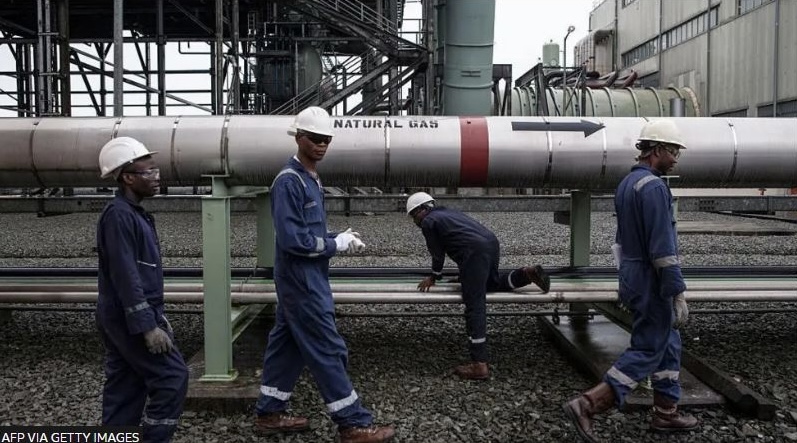
The 6,000km (3,700-mile) pipeline will run along the Atlantic coast of 14 African nations, transporting Nigerian gas to Morocco before linking into Europe’s existing gas network via Spain.
Construction is expected to begin in 2028 at an estimated total cost of $25 billion (£19 billion).
The project signals a shift from current models where gas is extracted from African nations, refined abroad, and shipped back to Africa at three to four times the price, says energy expert and former Nigerian government advisor Charles Majomi.
That practice must end, he told _BBC Focus on Africa_, because it represents a “complete devaluation of the resource that is so fortunately endowed in places like Nigeria and other countries.”
By contrast, Majomi argued, if leveraged correctly the pipeline has the potential to stimulate regional industrial growth and boost Africa’s influence globally.
“In terms of Africa’s regional security and its ability to negotiate and have a seat at the global table, it does need this measure of usefulness to countries in Europe and Asia potentially,” he said.
Prof. Ganiyat Adejoke Adesina-Uthman of the National Open University of Nigeria said the pipeline could do more than address energy needs.
“Beyond energy security, it will open up Africa as a corridor to international markets,” she said.
“It is a symbol of what Africa can achieve when countries collaborate and work together,” she added.