



















N2bn Found in Mining Marshals Commander’s Account
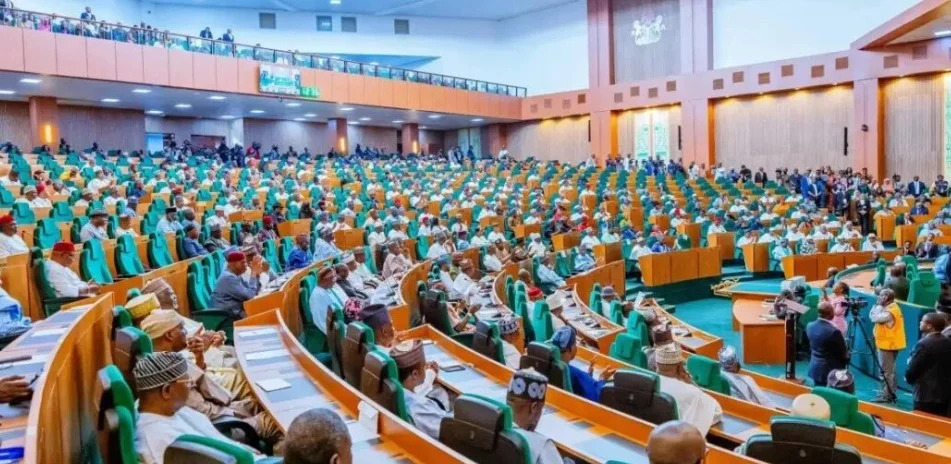
The House of Representatives on Wednesday resolved to investigate allegations of financial misconduct, operational irregularities and the legal status of the Mining Marshals, including claims that more than N2 billion was traced to the bank account of one of the unit’s State Commanders.
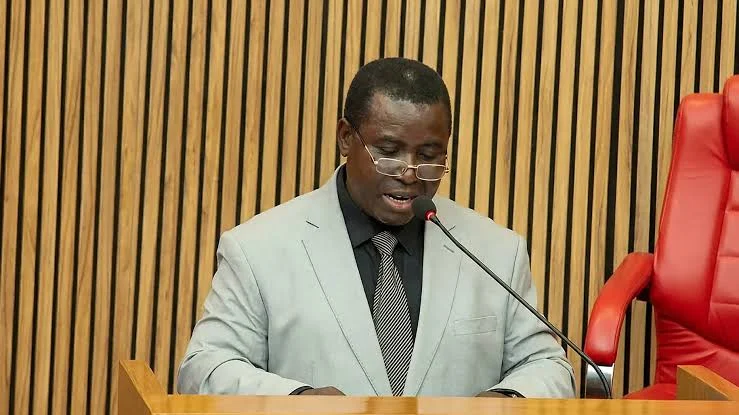
The decision followed the adoption of a motion sponsored by Hon. Abdulmaleek Danga, who raised concerns over the activities of the specialised security outfit established to combat illegal mining across the country.
Leading the debate, Danga recalled that the Federal Ministry of Solid Minerals Development, in collaboration with the Federal Ministry of Interior, inaugurated the Mining Marshals on March 21, 2024.
The unit comprises over 2,200 personnel drawn from the Nigeria Security and Civil Defence Corps, NSCDC, and was established under Section 3 of the NSCDC Act and the Nigerian Minerals and Mining Act, 2007.
According to Danga, the Marshals were created to secure mining sites, combat illegal mining, curb banditry in mineral-producing communities and protect government revenue from the solid minerals sector.
However, the lawmaker alleged that the unit had deviated from its mandate.
“The House is concerned by reports indicating a deviation from this mandate, characterised by allegations that the Mining Marshals lack deep operational knowledge of the mining sector, resulting in the wrongful apprehension and harassment of legitimate mineral title holders while misrepresenting these actions to the public as successful crackdowns on illegal operators,” he said.
Danga also drew the attention of the House to “grave allegations of financial impropriety” within the unit.
“The House is concerned by the reported discovery of over N2 billion in the bank account of a State Commander of the Mining Marshals,” he said.
According to him, instead of prosecution or disciplinary action, the commander was allegedly redeployed, fuelling public suspicion of compromise.
“The House is worried that instead of a formal judicial inquiry, prosecution, or internal disciplinary action, the said Commander was merely redeployed, fuelling allegations that the Marshals are being compromised by affluent illegal mining syndicates,” he stated.
The lawmaker further questioned the transparency of the unit’s finances, citing the procurement of operational vehicles without a clearly identifiable legislative appropriation or budgetary provision.
“The House is disturbed by the lack of fiscal transparency surrounding the unit, notably the recent procurement and allocation of operational vehicles to the Marshals without a clear record of legislative appropriation or budgetary allocation from the parent agency, thereby exposing the unit to extrabudgetary expenditure,” he said.
Danga warned that the alleged lapses could undermine Nigeria’s economy, leading to mineral revenue leakages, heightened insecurity and a loss of investor confidence in the solid minerals sector.
Following the adoption of the motion, the House mandated its Committee on Solid Minerals Development to undertake a comprehensive investigation into the operations of the Mining Marshals nationwide.
The committee is to:
– *Determine* whether the unit is operating within its legal mandate
– *Investigate* allegations of corruption, including the reported N2 billion linked to a former State Commander and similar cases across the 36 states and the FCT
– *Examine* the source of funding for the procurement of operational vehicles and other expenditures
– *Scrutinise* the legal framework establishing the unit, its organisational structure and compliance with existing laws, with a view to recommending an internationally recognised security model for protecting mining assets
The committee has four weeks to conclude its investigation and report back to the House.
The Mining Marshals were launched in March 2024 as a specialised security outfit to strengthen the fight against illegal mining, a challenge that has deprived Nigeria of substantial revenue, fuelled environmental degradation and contributed to insecurity in mineral-rich communities.
Illegal mining remains a major concern in states such as Zamfara, Niger, Nasarawa, Plateau and Kaduna, where criminal networks have been accused of exploiting mineral resources while evading regulatory oversight and tax obligations.
The Federal Government has identified the solid minerals sector as key to diversifying the economy away from dependence on oil revenues.