



















The Leadership Philosophy Driving Agboworin’s Success | Ayodele Ayobami
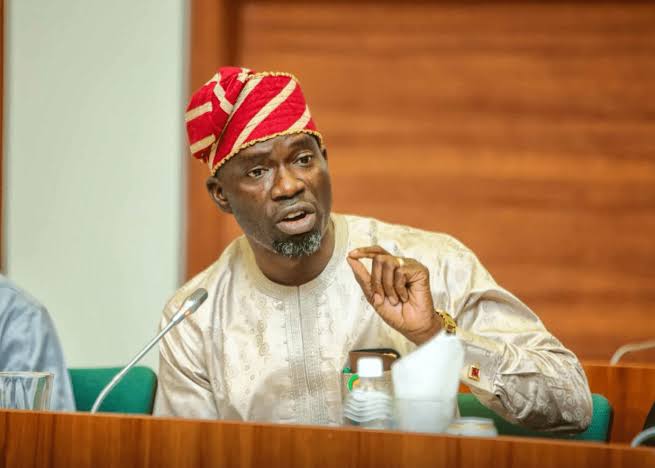
The enduring relevance of Rt. Hon. Abass Adigun (Agboworin) lies not merely in electoral victories, but in a leadership philosophy that transcends politics and speaks directly to the needs and aspirations of the people he represents.
At the core of his philosophy is accessibility.
Constituents across Ibadan North-East and South-East Federal Constituencies, even beyond, often describe him as a leader who is present—not just during election cycles, but consistently available to listen, engage, and respond. This openness has fostered a rare level of trust between the lawmaker and the people, bridging the often-wide gap between elected officials and their constituents.
In a political climate often defined by rhetoric and short-term gains, for Agboworin, representation is not an abstract concept confined to legislative chambers—it is a living, breathing responsibility rooted in service, accessibility, and measurable impact. His approach to leadership reflects a deliberate shift from the traditional, distant style of representation to one that is people-centered, responsive, and deeply connected to the grassroots.
Closely tied to this is his belief in inclusive governance.
Agboworin’s leadership style does not operate in isolation; it thrives on collaboration with community leaders, youth groups, market associations, and other critical stakeholders. By creating platforms for dialogue and participation, he ensures that his style of politis is not imposed from above but shaped collectively from within the community.
Another defining pillar of his leadership is impact-driven representation. Rather than focusing solely on political visibility, Agboworin has consistently emphasized tangible outcomes—projects, empowerment initiatives, and legislative interventions that directly improve lives. This results-oriented mindset has helped redefine expectations of what effective representation should look like in contemporary Nigerian politics.
Equally important is his commitment to youth development and empowerment. Recognizing the demographic strength and potential of young people within his constituency, he has championed initiatives aimed at equipping them with skills, opportunities, and platforms for growth.
This forward-thinking approach not only addresses immediate socio-economic challenges but also invests in the long-term stability and prosperity of the constituency.
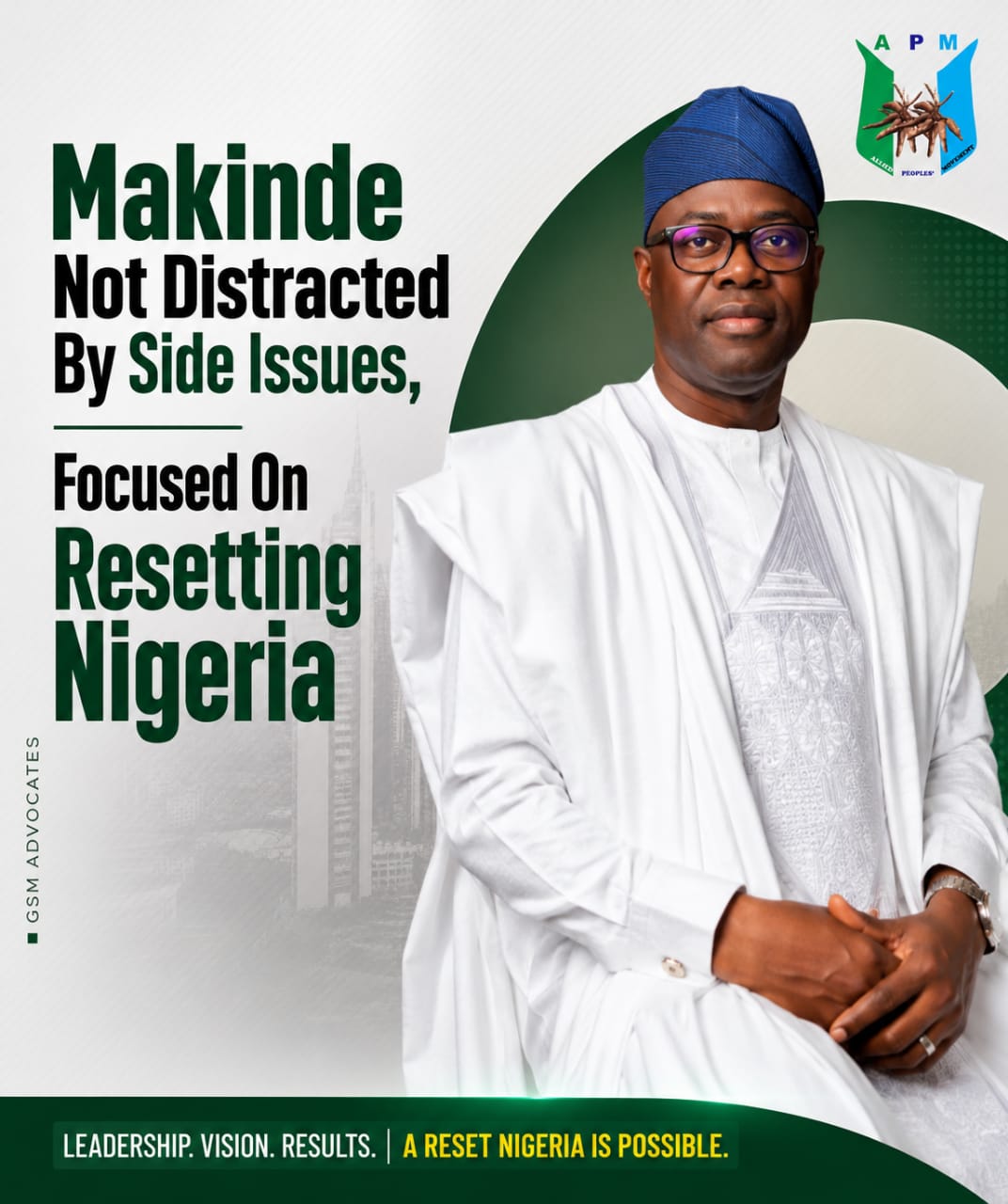
Agboworin’s leadership is also characterized by loyalty and strategic alignment. His ability to maintain strong relationships with his principal and the Governor of the State, Engr. Seyi Makinde, party leadership, government executives, and local stakeholders have positioned him as a bridge-builder—someone who can effectively navigate political structures to attract development and opportunities for his people.
This strategic positioning has proven crucial in ensuring that his constituency remains visible and prioritized in broader governance frameworks.
Perhaps most significantly, his philosophy reflects a deep sense of responsibility and continuity. As he secures the mandate to continue representing his people, there is a clear understanding that leadership is not about personal ambition but about sustaining progress, consolidating achievements, and raising the bar for future representation.
Beyond the titles and political milestones, Agboworin’s success can ultimately be traced to a simple but yet powerful principle: leadership as service, no doubt.
It is this principle that has earned him not just political support, but genuine respect and enduring goodwill among his constituents.
We do know public trust in leadership is often fragile, but I can say that Agboworin’s model offers a compelling reminder that when governance is anchored on sincerity, inclusiveness, and impact, success becomes not just attainable—but sustainable.