










2027: Seyi Makinde Is Right, Nigeria Needs Energetic President Who Can Move Adequately – GSM Advocates
…Says History Shows Young Leaders Moved Nigeria Forward, Not Backward
…Urges Nigerians To Vote For Candidate Who Can Work Beyond Delegation
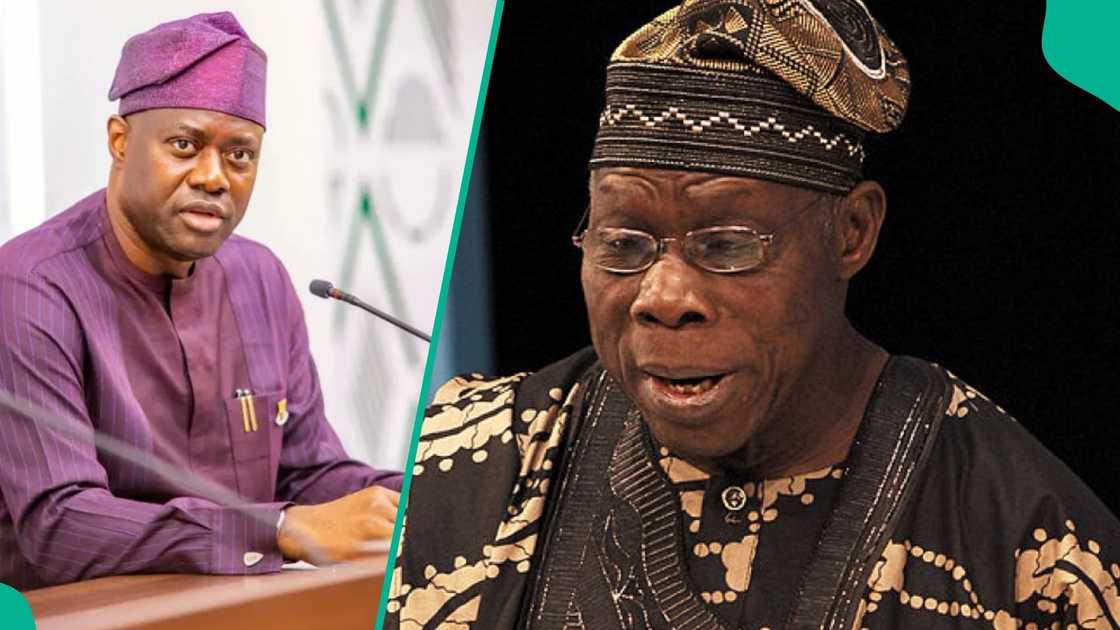
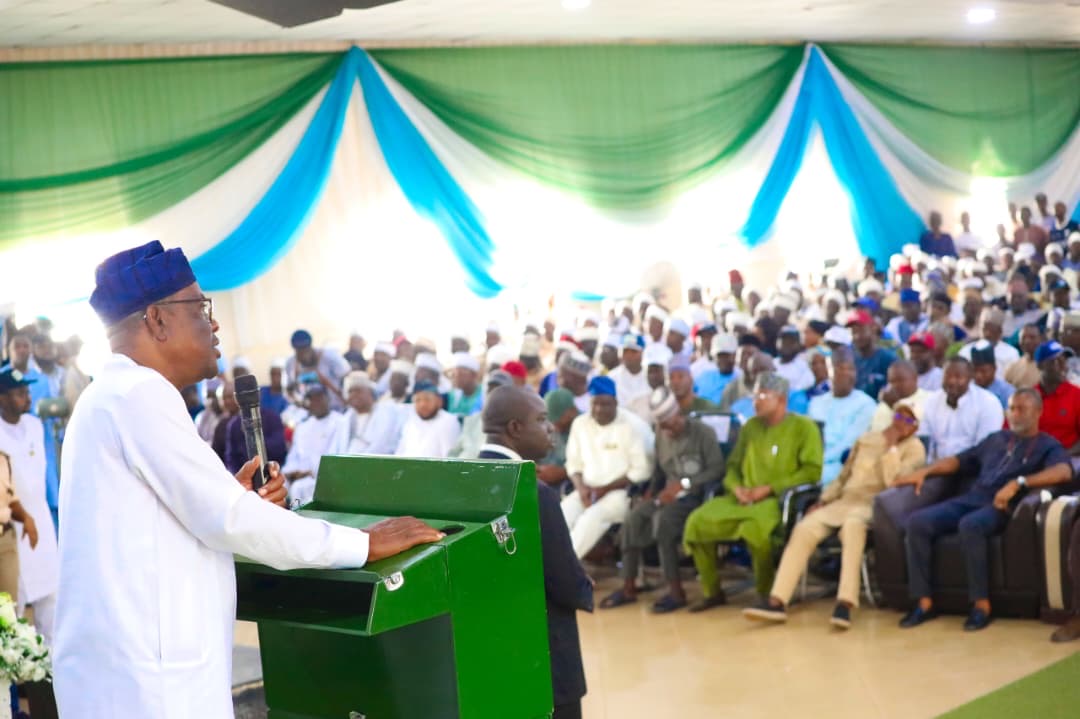
The GSM Advocates, a political support group drumming support for the presidential ambition of Oyo State Governor, Engr. Seyi Makinde, has declared that Governor Makinde is absolutely right in his call for Nigeria to elect a young, vibrant and energetic president in 2027.
The group said Nigeria’s political history is clear proof that whenever the country was led by young and energetic leaders, the nation moved forward, not backward, and that the time has come to return to that path.
This was contained in a statement issued on Thursday and made available to newsmen in Ibadan by the Coordinator of the group, Bashorun Abiola.
According to him, Nigeria needs a president who can move adequately, inspect projects personally, engage citizens directly, and work beyond mere delegation of responsibilities to aides and cabals.
“Governor Seyi Makinde is right. Nigeria in 2027 does not need a president who will be carried to events, who will govern from the bedroom, or who will delegate every critical assignment. We need a president who is physically fit, mentally alert, and ready to work 24 hours for the country,” Bashorun Abiola said.
The group recalled that Nigeria has had a long and complex political history, but some of the most impactful leaders were relatively young when they assumed the highest office in the country, and their youth was an asset, not a liability.
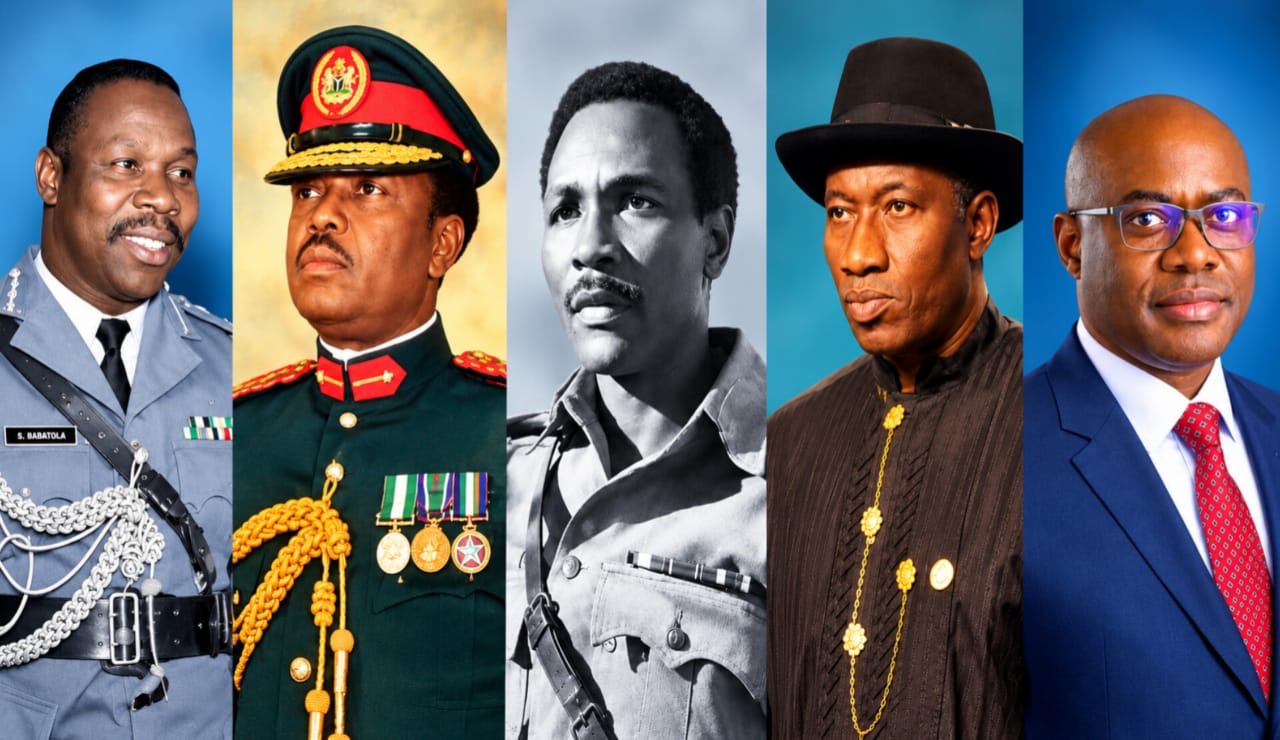
Citing historical examples, the statement noted that General Yakubu Gowon remains the youngest Head of State in Nigeria’s history. Born on October 19, 1934, Gowon became Head of State at just 31 after the military coup in 1966. Despite his young age, he led Nigeria through its most challenging period, the Nigerian Civil War (1967-1970), pursued the policy of Reconciliation, Reconstruction and Rehabilitation, and worked tirelessly for national reunification. He is remembered for introducing the National Youth Service Corps (NYSC) as a tool for unity.
Another example is General Murtala Muhammed. Born on November 8, 1938, Murtala became Head of State at 37 following the coup in 1975. Though his time in office lasted only 200 days before his assassination in February 1976, his bold reforms, his purge of the civil service, his anti-corruption stance, and his decisive foreign policy shook Nigeria positively and laid a foundation for reforms that outlived him.
The group also pointed to former President Olusegun Obasanjo. Born on March 5, 1937, Obasanjo became Head of State at 39 after Murtala’s assassination in 1976. He stabilized a tense nation, completed key transition programmes, and successfully handed over power to a democratically elected government in 1979. His youthful energy and ability to manage crisis earned him national respect. He later returned as elected president from 1999 to 2007 at a time he was still agile and active.
The statement further mentioned Goodluck Jonathan, who became president at 52 in 2010 after the death of President Umaru Musa Yar’Adua. Though not as young as Gowon or Murtala, he was relatively youthful by modern standards and is notable for his focus on economic reforms, educational interventions, and for overseeing Nigeria’s first peaceful transfer of power from a ruling party to an opposition party in 2015, a rare act of statesmanship.
It also referenced Alhaji Shehu Shagari, born on February 25, 1925, who became Nigeria’s first executive president at 54 in 1979. His administration focused on agriculture, housing and education before his tenure was cut short by a military coup in 1983.
“All these examples prove one thing: the youngest presidents in Nigeria’s history showcase that age does not limit leadership, but enhances it. Leaders like Gowon and Murtala demonstrated strong leadership and made impactful decisions because they had the physical and mental energy to do so. They toured the country, they were on the ground, they took decisions quickly,” the group said.
Bashorun Abiola lamented that since 2015, Nigeria has experimented with aged leadership that governs largely by delegation, leading to sluggish decision-making, policy flip-flops, and a disconnect between the presidency and the people.
“What we have seen in recent years is leadership by delegation, leadership by proxy. The President delegates security to others while bandits take over villages. Delegates economy to others while naira collapses. Delegates inspection to others while projects are abandoned. Nigeria cannot continue like that,” he stated.
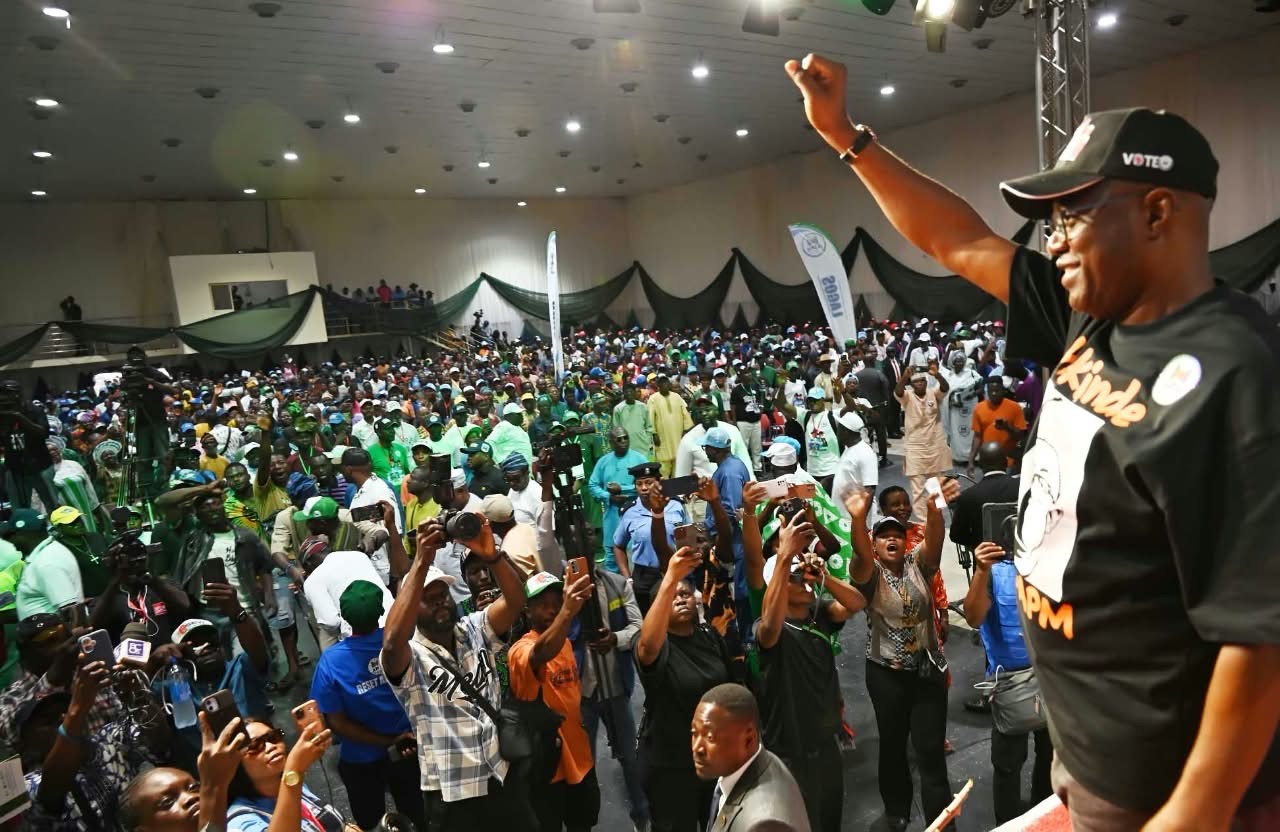
He argued that to Reset Nigeria as being canvassed by the Allied Peoples Movement (APM) and its presidential hopeful, Engr. Seyi Makinde, the country requires young minds, full of energy, who understand the realities of today’s global economy, digital innovation, and youth unemployment.
“Nigeria’s problems today are not problems you solve by sitting in Aso Rock and receiving briefings. You need to move. You need to visit border communities to understand smuggling. Visit IDP camps to understand insecurity. Visit markets to understand price of garri. Visit hospitals, schools, and factories. That requires energy. That is what Seyi Makinde represents.”
The GSM Advocates therefore urged Nigerians, especially youths, women, and professionals, to rally behind a candidate who can work beyond delegation, and who has demonstrated in Oyo State that governance is about presence, energy, and performance.
“Engr. Seyi Makinde is 57, sound, agile, mentally sharp, and has shown that you can be governor and still be on the road, on project sites, in the midst of the people. He is the prototype of the energetic leader Nigeria needs in 2027 to move Nigeria forward, not backward,” the statement concluded.