












Oyo Govt Launches N3-Year Cocoa Restoration Project To Revitalise Sector, Empower Farmers
The Oyo State Government has commenced a comprehensive *Cocoa Restoration Project, CRP*, designed to revitalise the state’s cocoa sector, strengthen the entire cocoa value chain and position the commodity as a major driver of agricultural transformation, investment, employment and wealth creation between August 2026 and August 2029.
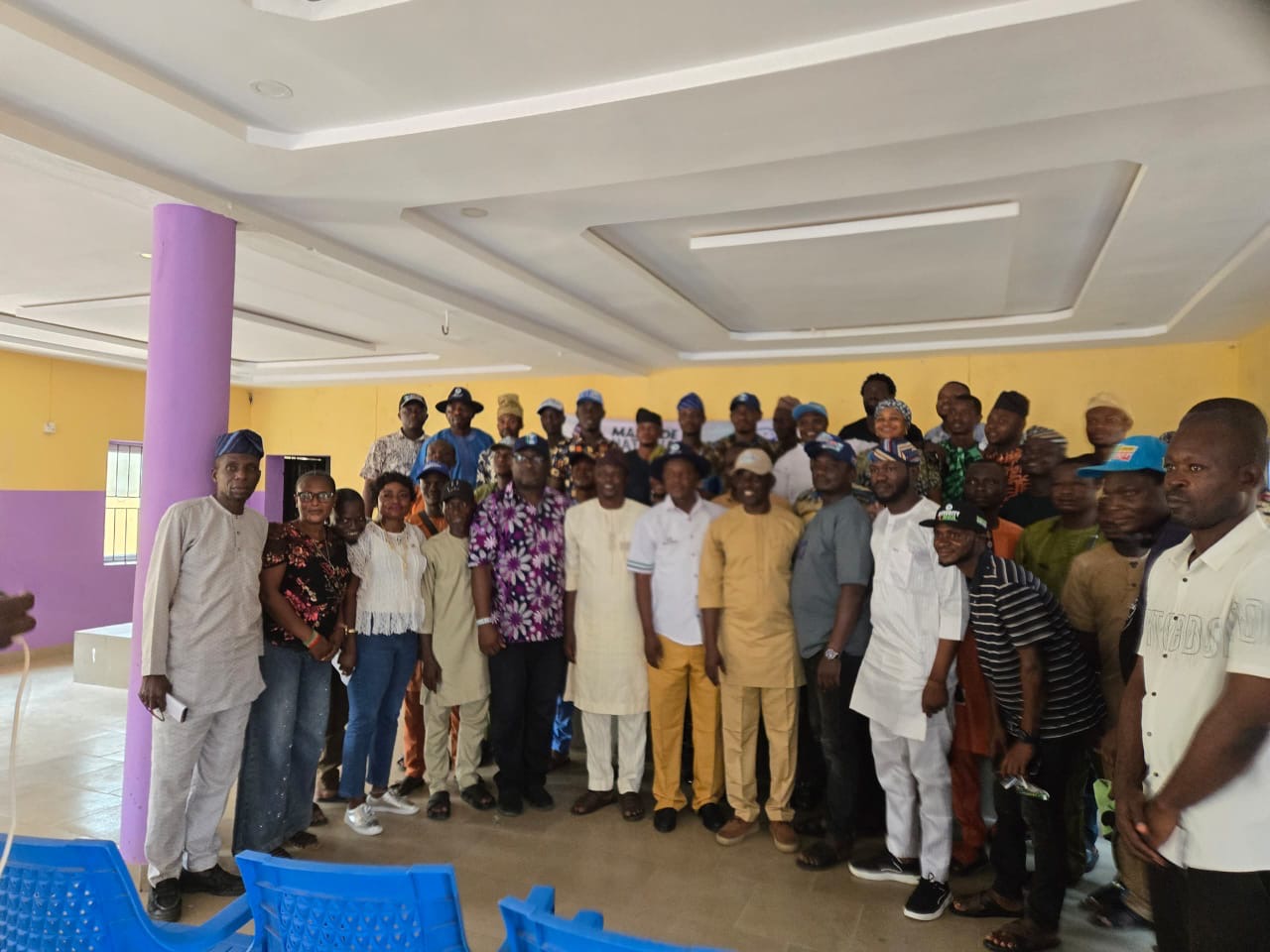
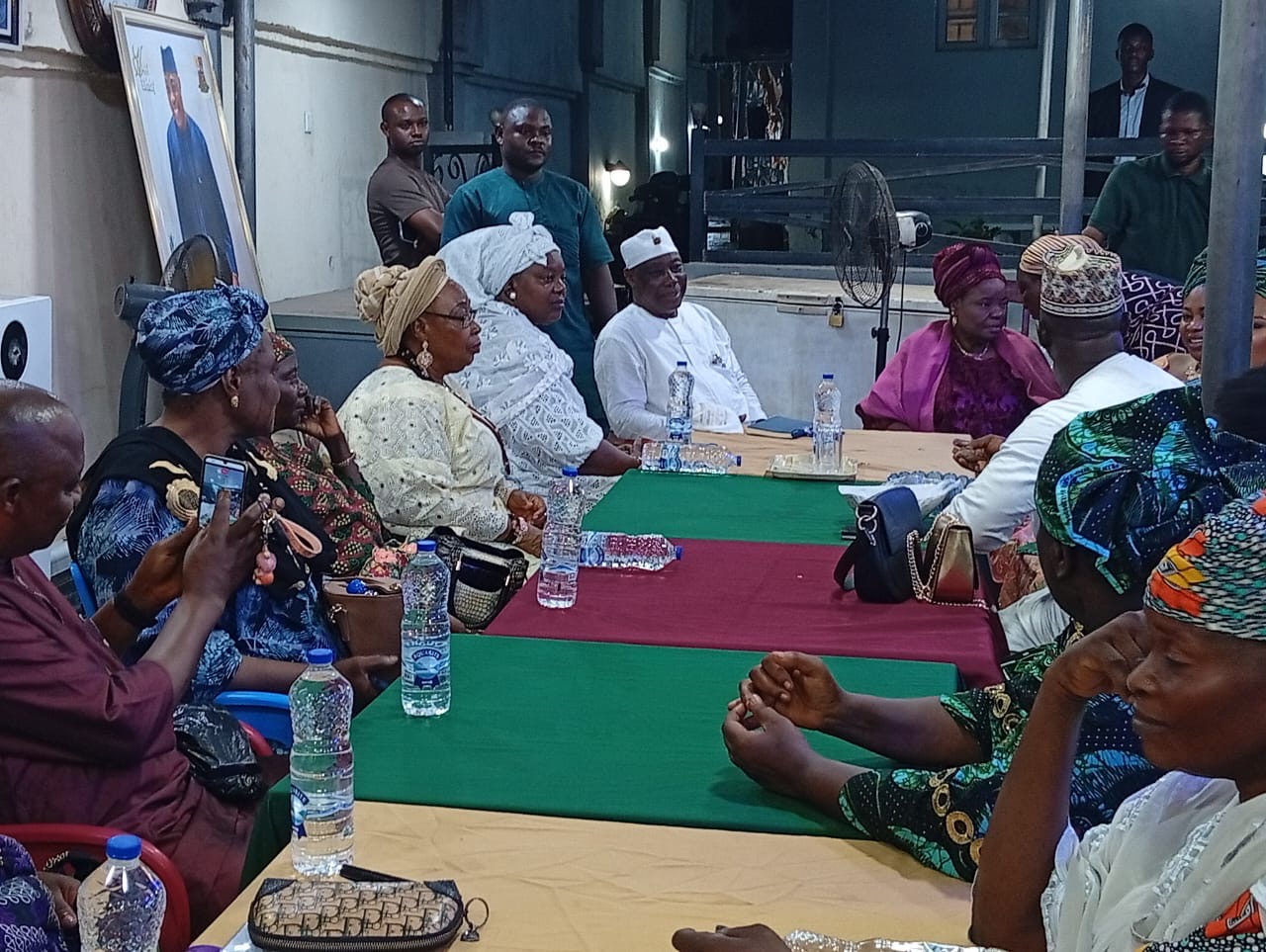
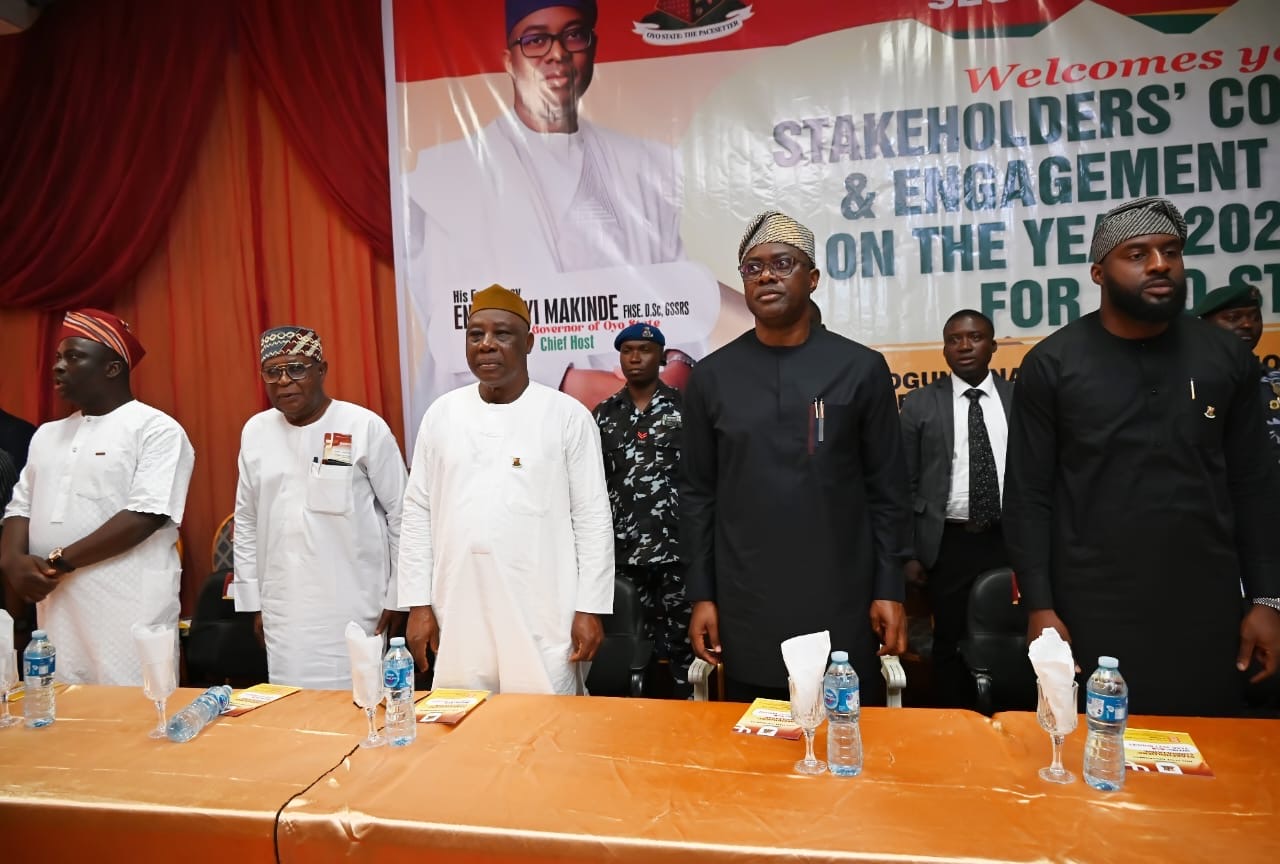
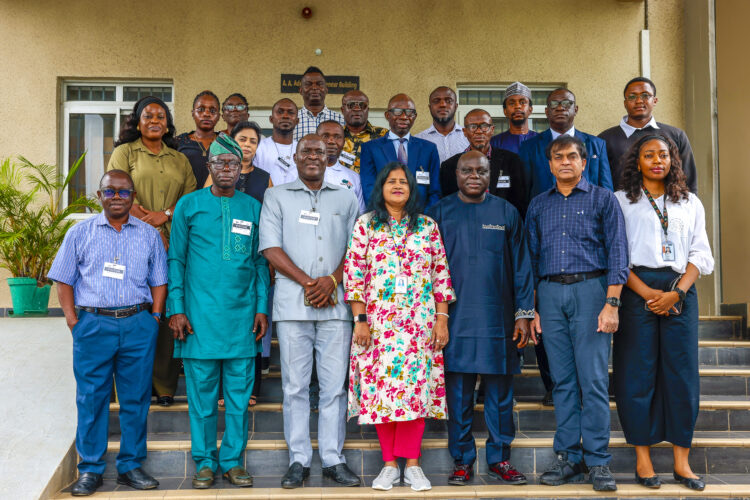
The initiative was the central focus at a one-day stakeholders’ workshop held on Sunday, August 31, 2026, at the A.A. Adeshina Agripreneurs Building, IITA, Ibadan. The workshop brought together investors, development institutions, cocoa farmers, government agencies, private-sector operators and other critical players in the agricultural ecosystem.
Speaking on the project, the Director-General of the Oyo State Agribusiness Development Agency, OYSADA, and Executive Adviser to Governor Seyi Makinde on Agribusiness and International Cooperation Development, Dr. Adebowale “Debo” Akande, DBA, CMGR, FCMI, described the CRP as a fully funded Oyo State Government initiative.
He said the project is particularly dear to Governor Makinde because of its potential to improve farmers’ livelihoods and strengthen the state’s economy.
According to him, the project is neither accidental nor reactionary but an intentional and deliberate component of Oyo State’s long-term agribusiness strategy.
“Cocoa development has been embedded in the state’s agribusiness strategy since 2019. What we are doing now is to translate that strategy into measurable interventions that will deliver sustainable benefits to farmers and the wider economy,” Dr. Akande explained.
“This is not an accidental action. It is intentional and deliberate. We are looking forward to partnerships that can support development, including Public-Private Partnerships, development institutions and other public and private-sector stakeholders,” he stated.
Cocoa remains one of Nigeria’s strategic export commodities and a critical source of foreign exchange and rural livelihoods. Oyo State is recognised among Nigeria’s major cocoa-producing states, with an estimated production volume of about 33,000 metric tonnes.
Of the 18 Local Government Areas identified as cocoa-producing in the state, six have been prioritised for the initial phase of the Cocoa Restoration Project. They are Oluyole, Ona Ara, Akinyele, Lagelu, Egbeda and Afijio.
The project will adopt a comprehensive value-chain approach, moving beyond production to cover improved seedlings, nursery development, farmer capacity building, aggregation, processing, market access, investment and other components required to make cocoa farming more productive and commercially sustainable.
A major target of the initiative is the production and distribution of *one million improved cocoa seedlings* to smallholder farmers across the state.
According to OYSADA, the seedlings are expected to become available between April and June 2027, creating a significant opportunity to expand cocoa cultivation and rejuvenate ageing farms with improved planting materials.
The Cocoa Farmers Association of Nigeria, CFAN, Oyo State Chapter, is expected to play a key role in mobilising and supporting farmers throughout the implementation process.
The project will also create opportunities for nursery operators through the development of quality planting materials and the establishment of sustainable nursery systems.
Dr. Akande emphasised that the Cocoa Restoration Project would be guided by the principles of *Science, Logic and Data*, ensuring that interventions are evidence-based, measurable and responsive to farmers’ realities.
He noted that modern agriculture has moved beyond rhetoric, adding that the state government is approaching agribusiness development with determination, coordination and measurable outcomes.
The cocoa initiative will also align with other agricultural programmes in the state, including the *Special Agro-Industrial Processing Zones, SAPZ, Livestock Productivity and Resilience Support Project, L-PRES*, and *Nigeria COVID-19 Action Recovery and Economic Stimulus, N-CARES*.
The L-PRES intervention is contributing to rural infrastructure and access through feeder-road works under the Rural Access and Agricultural Marketing Project, RAAMP, while SAPZ is focused on the industrial and processing dimensions of agricultural development.
The project is being coordinated by OYSADA, with technical support from the *International Institute of Tropical Agriculture, IITA*, and the *Cocoa Research Institute of Nigeria, CRIN*. The state government is also seeking partnerships with development institutions, investors and private-sector players to ensure a sustainable and commercially viable cocoa ecosystem.
Another key dimension of the CRP is the deliberate inclusion of youths and women across the cocoa value chain.
The initiative is expected to create opportunities beyond farming, including nursery operations, farm management, aggregation, processing, logistics, technology, marketing and other agribusiness activities.
“By involving young people and women, we are positioning cocoa not just as a crop, but as a platform for entrepreneurship, employment creation, household income improvement and rural economic development,” Dr. Akande said.
The Oyo State Government said the restoration of the cocoa sector must be comprehensive, inclusive and sustainable, with smallholder farmers placed at the centre of the value chain.
The Cocoa Restoration Project represents another strategic step in Governor Seyi Makinde’s broader vision of transforming Oyo State from an agricultural-producing economy into a competitive agribusiness and value-addition hub.
As implementation progresses from August 2026 to August 2029, OYSADA and its partners are expected to deepen stakeholder engagement, strengthen institutional collaboration and establish measurable milestones towards restoring Oyo State’s cocoa economy.
The clear message from the stakeholders’ workshop: the future of cocoa in Oyo State will be built deliberately with science, partnership, investment, data and the farmer at the centre.