













Under Tinubu, Monthly Wage Can Disappear Into Just 40 Litres Of Petrol – Atiku
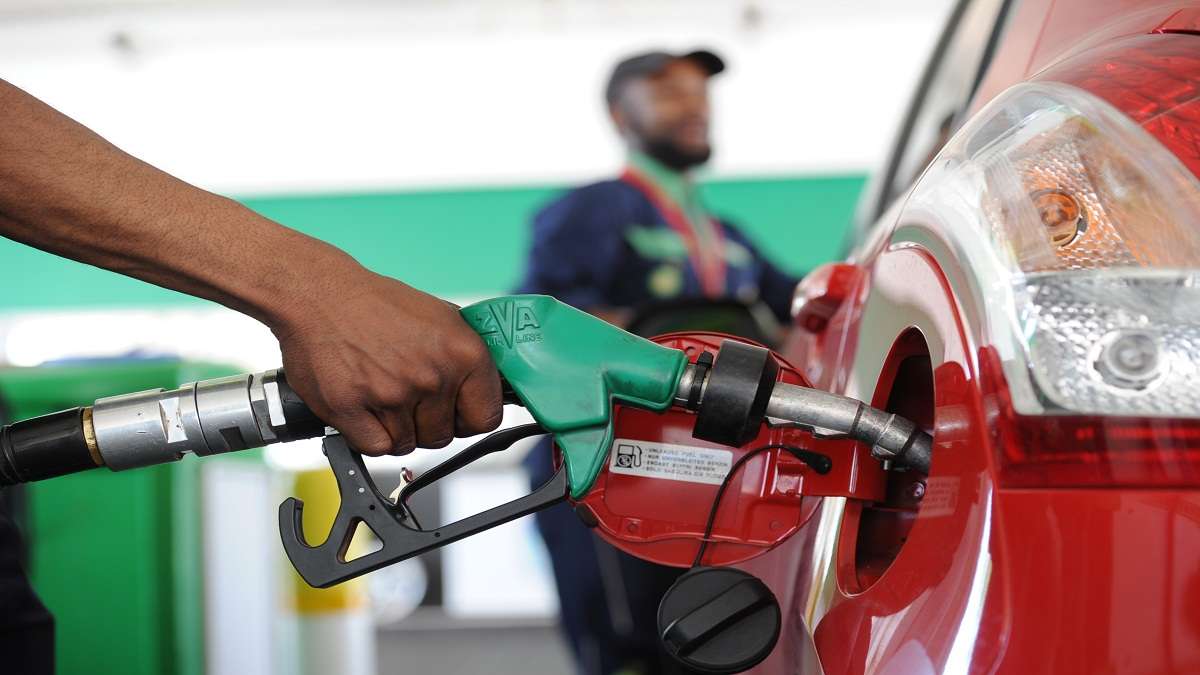
Former Vice President Atiku Abubakar has criticised the economic policies of President Bola Tinubu’s administration, saying the cost of petrol has reached a level where a Nigerian worker’s monthly minimum wage could be wiped out by the purchase of just 40 litres of fuel.
Atiku’s position was contained in a statement issued by his media aide, Phrank Shaibu, in response to Tinubu’s recent criticism of proposals to reduce energy costs.
According to the statement, petrol currently sells for about ₦1,400 per litre, meaning that purchasing 40 litres would cost approximately ₦56,000.
Shaibu argued that the figure represents about 80 per cent of the ₦70,000 statutory minimum wage, leaving a low-income worker with only ₦14,000 for food, rent, transportation, electricity, healthcare and other essential expenses.
“A Nigerian earning the ₦70,000 statutory minimum wage requires ₦56,000 merely to buy 40 litres of petrol at ₦1,400 per litre. That is 80 per cent of an entire month’s minimum wage,” [/i]the statement said.
The Atiku camp said the calculation illustrated the impact of rising energy costs on ordinary Nigerians, arguing that the effect extends beyond the petrol station to transportation, food prices, farming and other areas of the economy.
It compared Nigeria’s petrol prices with those of other oil-producing countries, citing Saudi Arabia, Kuwait, Algeria, Angola and the United Arab Emirates, where petrol is sold at lower prices.
The statement also cited Libya, where petrol was said to sell for about ₦34 per litre, arguing that Nigeria’s higher pump price had placed an excessive burden on citizens despite the country’s status as a major oil producer.
“Why did Nigerians have to suffer for more than three years before your government discovered that economic growth must reach ‘the dining table and the pocket’?” Shaibu asked.
He accused the Tinubu administration of inconsistency for criticising Atiku’s proposal to reduce energy costs while simultaneously promising cheaper transportation and relief for vulnerable Nigerians.
The statement said Atiku’s proposed Economic Recovery Plan would seek to reduce energy costs at source through targeted support for Nigerian crude supplied to domestic refineries under what it described as a capped, transparent and independently audited framework.
According to Shaibu,
[i]reducing fuel costs would have a multiplier effect on the economy by lowering transportation expenses and the cost of moving agricultural produce and manufactured goods.
“Reduce fuel costs and you reduce pressure on transportation. Reduce transportation costs and you reduce the cost of moving tomatoes, rice, yam, livestock and manufactured goods,” he said.
The Atiku camp also questioned what Nigerians had gained from the government’s claim that petrol subsidy removal had mobilised about ₦15.8 trillion between June 2023 and December 2025.
It demanded greater transparency over the use of the funds, as well as explanations for what it described as discrepancies involving about ₦30 trillion in Federation Account revenues, deductions, savings and transfers.
Shaibu further called for disclosure of beneficiaries and the public benefits associated with Import Duty Exemption Certificate approvals covering about ₦34 trillion worth of imports in 2025.
He said the issues would remain central to the economic debate ahead of the 2027 general elections.
“Why now?” Shaibu asked, questioning the timing of the administration’s promise to introduce cheaper transportation, increase food production and provide relief to vulnerable Nigerians.
He said Atiku would continue to advocate policies aimed at reducing the cost of living, insisting that Nigerians needed structural economic relief rather than temporary palliatives.Former Vice President Atiku Abubakar has criticised the economic policies of President Bola Tinubu’s administration, saying the cost of petrol has reached a level where a Nigerian worker’s monthly minimum wage could be wiped out by the purchase of just 40 litres of fuel.
Atiku’s position was contained in a statement issued by his media aide, Phrank Shaibu, in response to Tinubu’s recent criticism of proposals to reduce energy costs.
According to the statement, petrol currently sells for about ₦1,400 per litre, meaning that purchasing 40 litres would cost approximately ₦56,000.
Shaibu argued that the figure represents about 80 per cent of the ₦70,000 statutory minimum wage, leaving a low-income worker with only ₦14,000 for food, rent, transportation, electricity, healthcare and other essential expenses.
“A Nigerian earning the ₦70,000 statutory minimum wage requires ₦56,000 merely to buy 40 litres of petrol at ₦1,400 per litre. That is 80 per cent of an entire month’s minimum wage,” [/i]
the statement said.
The Atiku camp said the calculation illustrated the impact of rising energy costs on ordinary Nigerians, arguing that the effect extends beyond the petrol station to transportation, food prices, farming and other areas of the economy.
It compared Nigeria’s petrol prices with those of other oil-producing countries, citing Saudi Arabia, Kuwait, Algeria, Angola and the United Arab Emirates, where petrol is sold at lower prices.
The statement also cited Libya, where petrol was said to sell for about ₦34 per litre, arguing that Nigeria’s higher pump price had placed an excessive burden on citizens despite the country’s status as a major oil producer.
“Why did Nigerians have to suffer for more than three years before your government discovered that economic growth must reach ‘the dining table and the pocket’?” Shaibu asked.
He accused the Tinubu administration of inconsistency for criticising Atiku’s proposal to reduce energy costs while simultaneously promising cheaper transportation and relief for vulnerable Nigerians.
The statement said Atiku’s proposed Economic Recovery Plan would seek to reduce energy costs at source through targeted support for Nigerian crude supplied to domestic refineries under what it described as a capped, transparent and independently audited framework.
According to Shaibu, [i]reducing fuel costs would have a multiplier effect on the economy by lowering transportation expenses and the cost of moving agricultural produce and manufactured goods.
“Reduce fuel costs and you reduce pressure on transportation. Reduce transportation costs and you reduce the cost of moving tomatoes, rice, yam, livestock and manufactured goods,” he said.
The Atiku camp also questioned what Nigerians had gained from the government’s claim that petrol subsidy removal had mobilised about ₦15.8 trillion between June 2023 and December 2025.
It demanded greater transparency over the use of the funds, as well as explanations for what it described as discrepancies involving about ₦30 trillion in Federation Account revenues, deductions, savings and transfers.
Shaibu further called for disclosure of beneficiaries and the public benefits associated with Import Duty Exemption Certificate approvals covering about ₦34 trillion worth of imports in 2025.
He said the issues would remain central to the economic debate ahead of the 2027 general elections.
“Why now?” Shaibu asked, questioning the timing of the administration’s promise to introduce cheaper transportation, increase food production and provide relief to vulnerable Nigerians.
He said Atiku would continue to advocate policies aimed at reducing the cost of living, insisting that Nigerians needed structural economic relief rather than temporary palliatives.